
Gaming Gear Application
Timeline: 1 month
Role: lead product designer (project for Google UX course)
Tools: figma
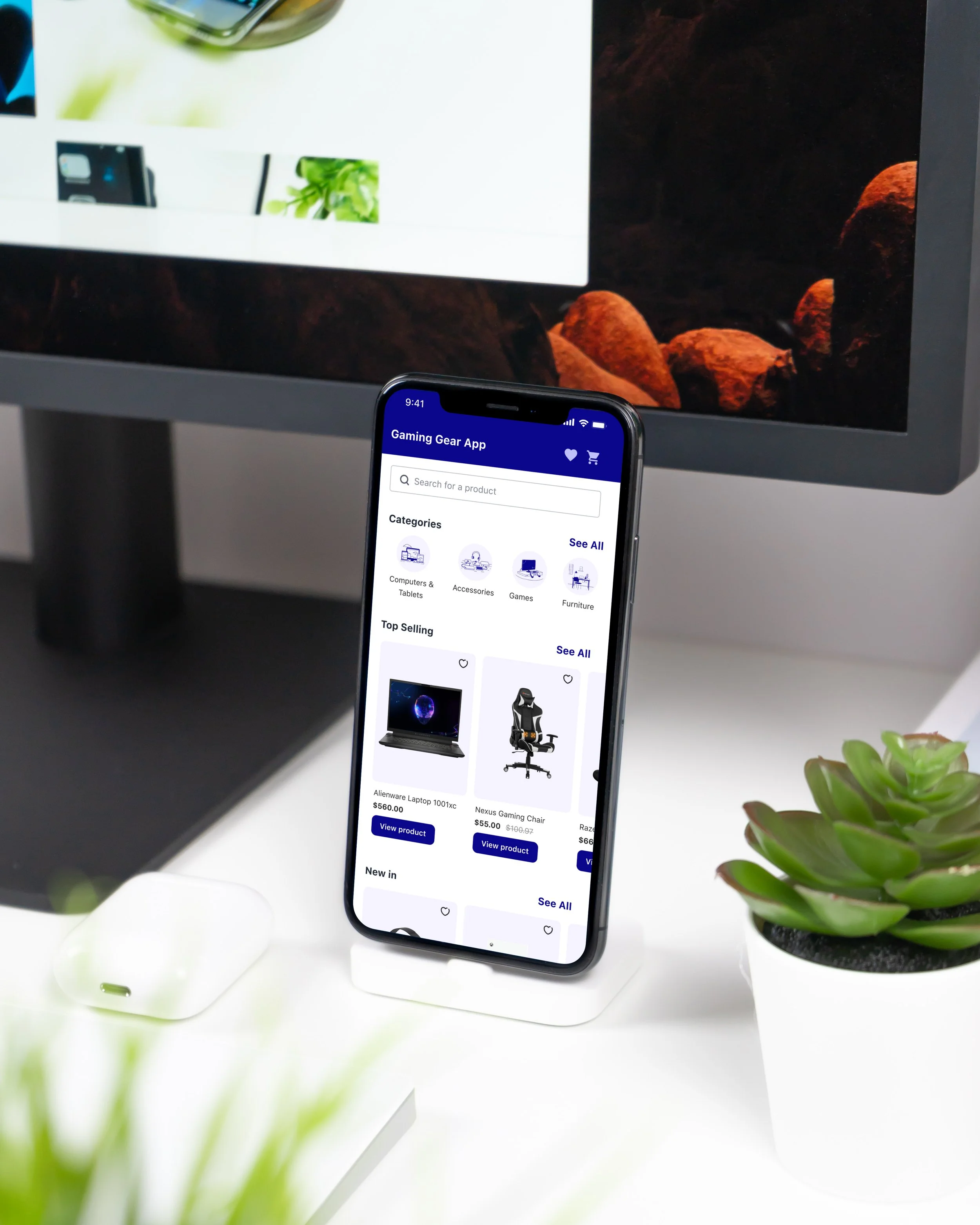
About Gaming Gear
The current gaming gear marketplace is impersonal and lacks the tailored experience modern users expect, relying heavily on broad retailers.The Gaming Gear app disrupts that trend by focusing on radical personalization and community engagement.
Users can discover gear through targeted recommendations, compare products using authentic peer reviews, and engage in a dedicated community, driving sustained loyalty beyond a simple transaction.
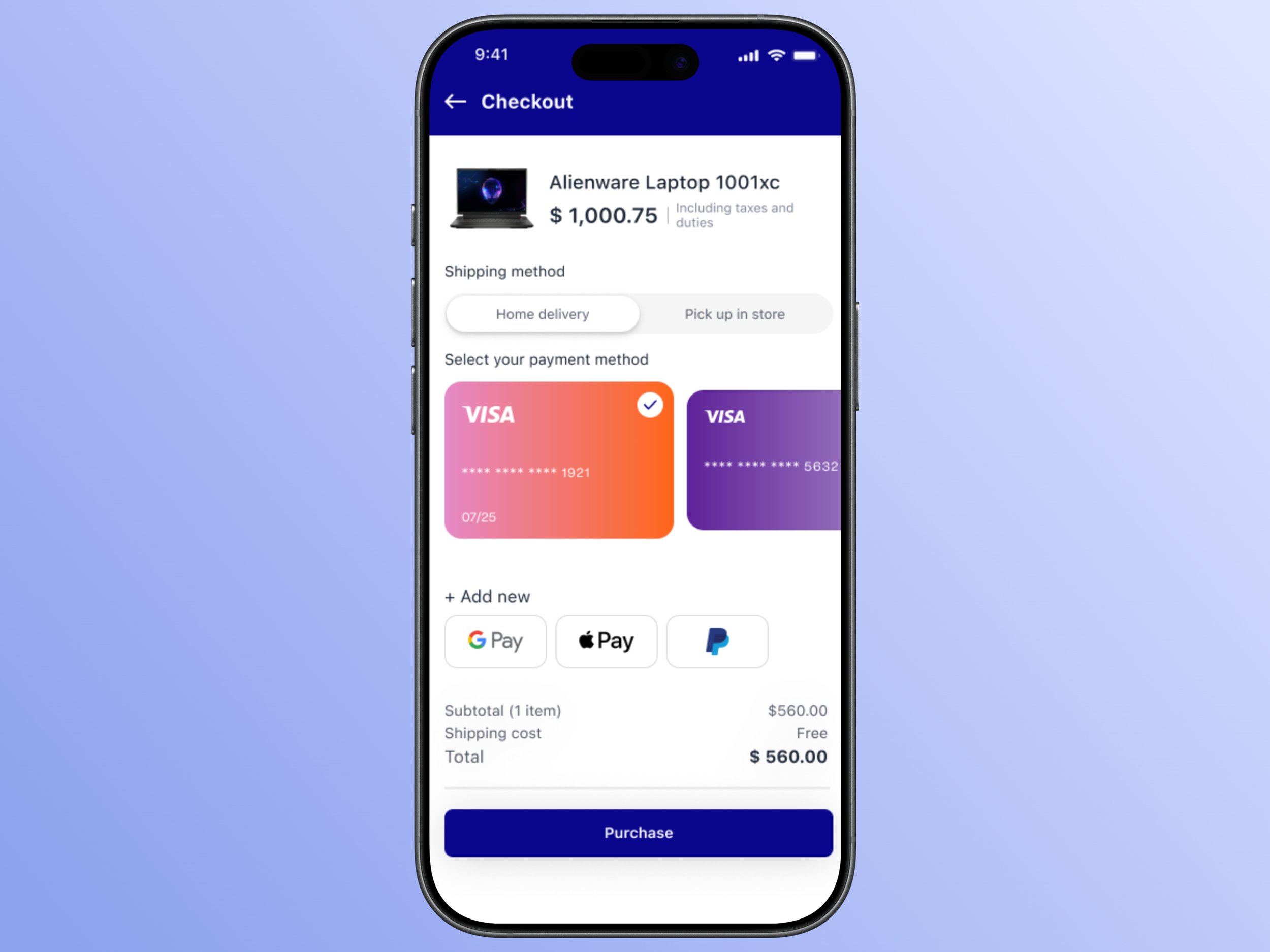
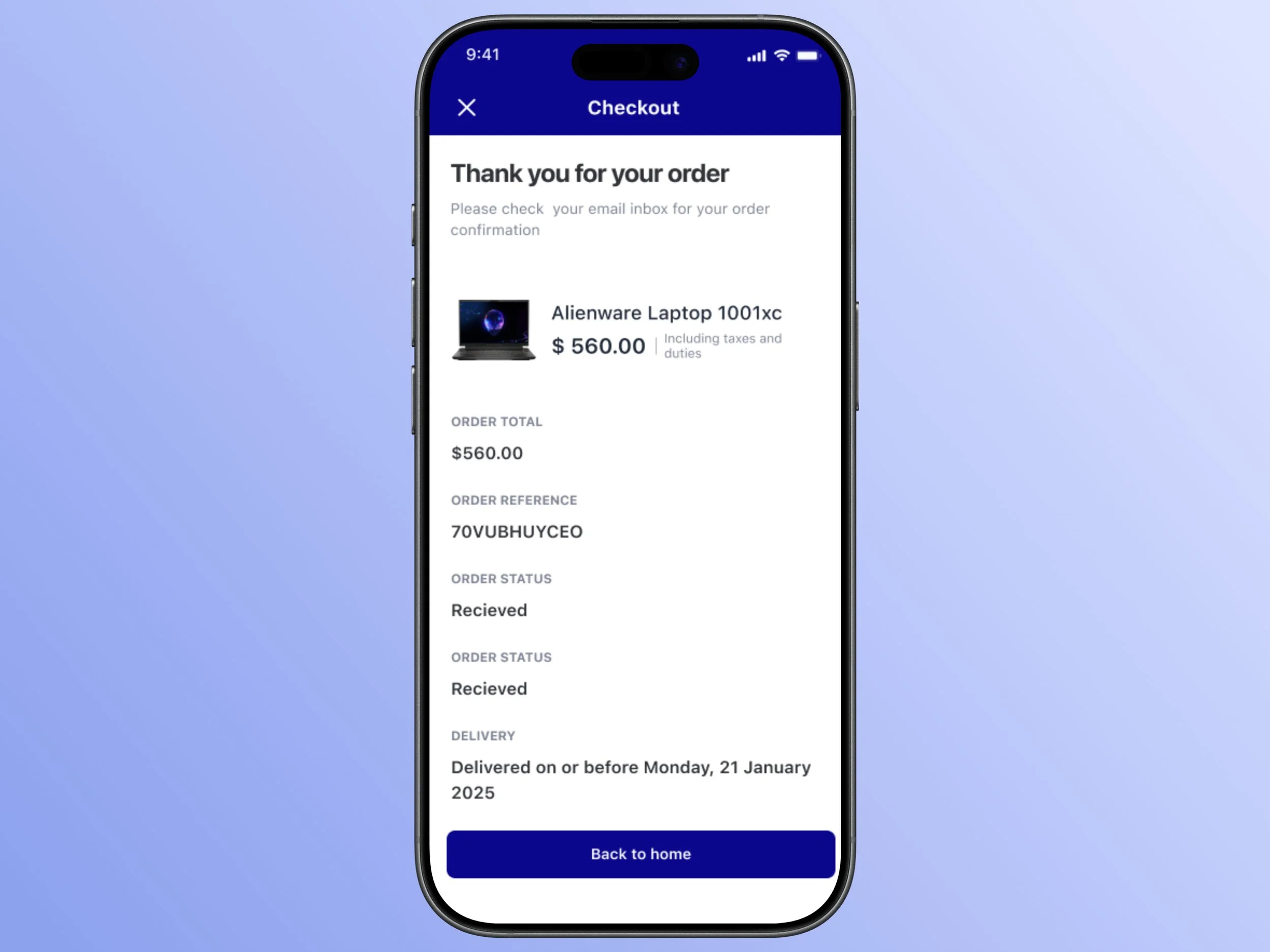
Understanding the User
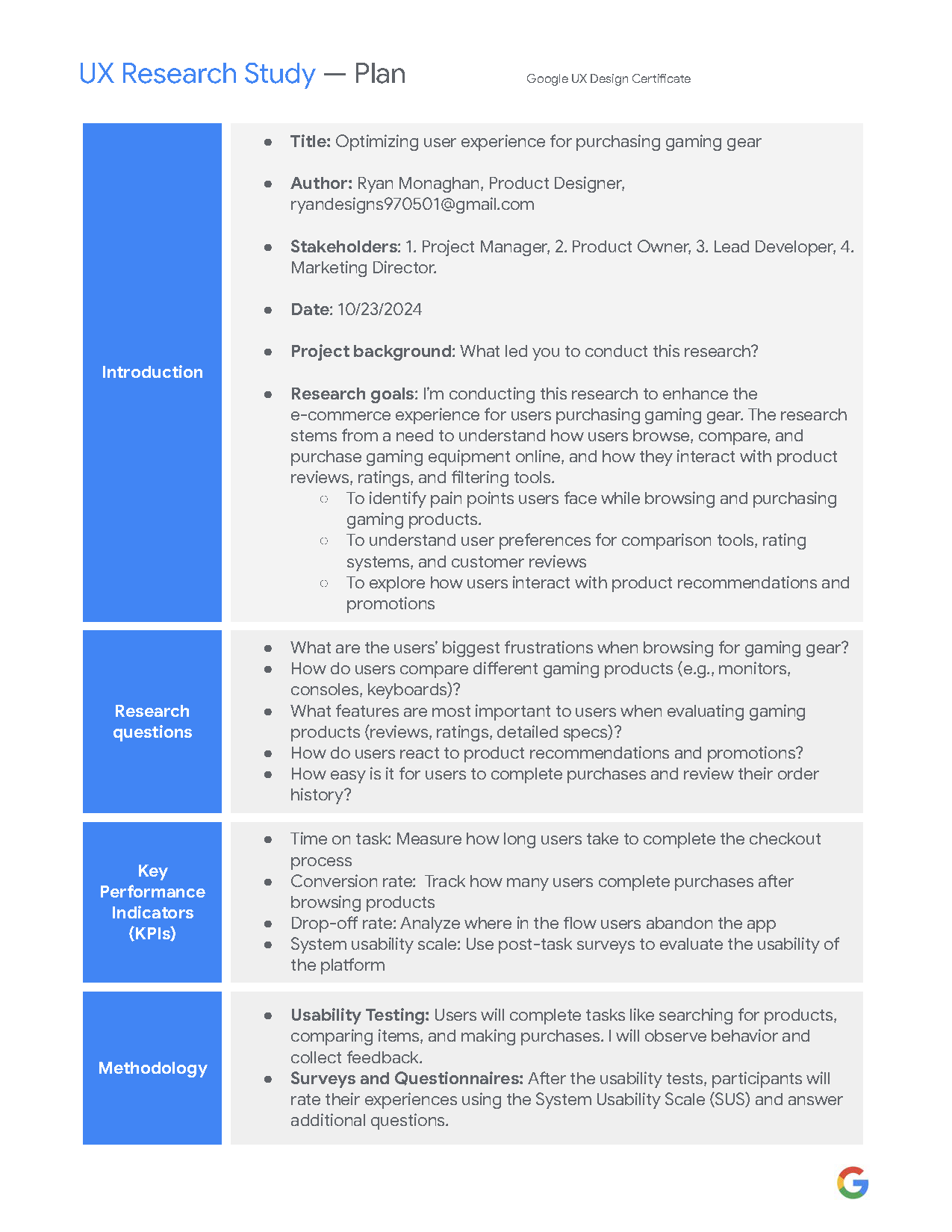
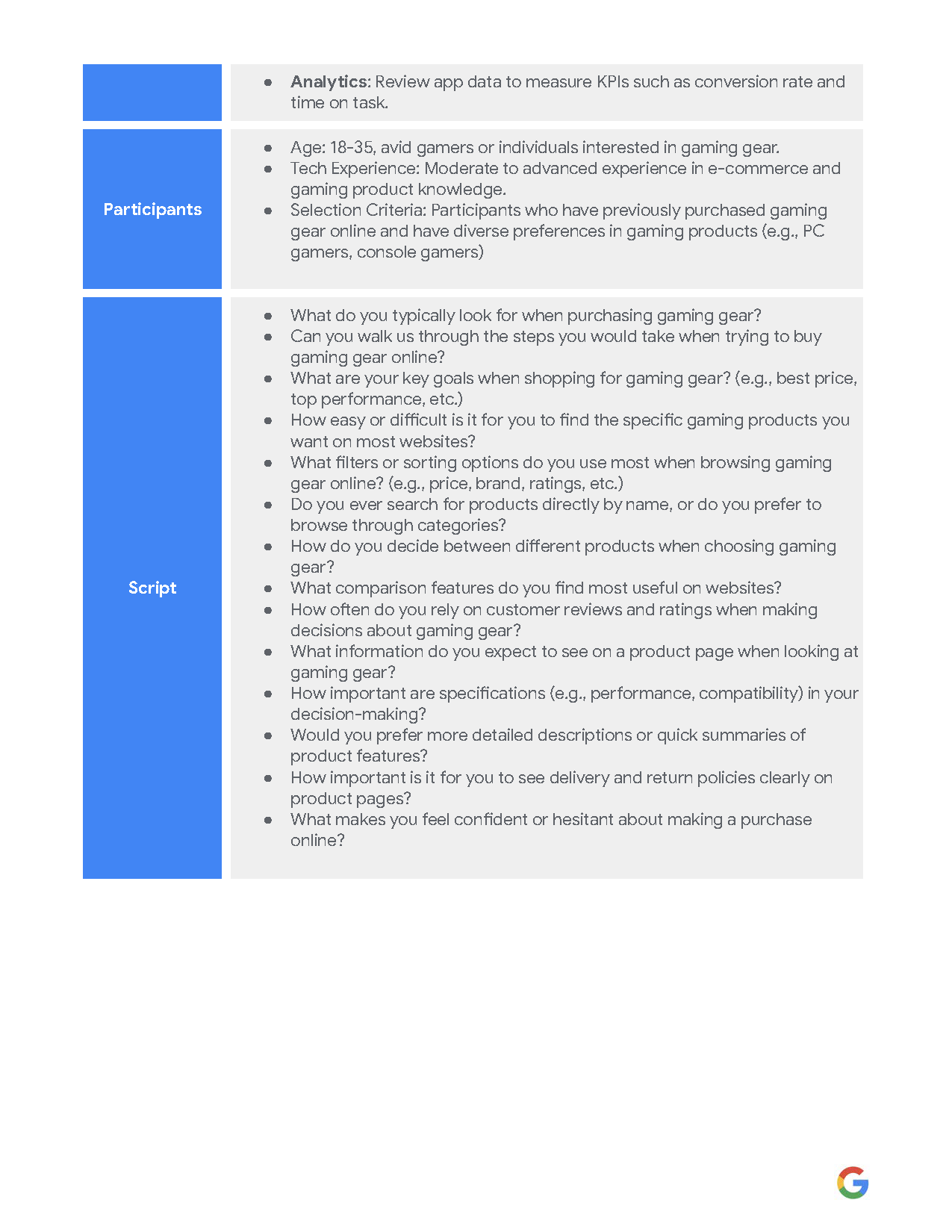
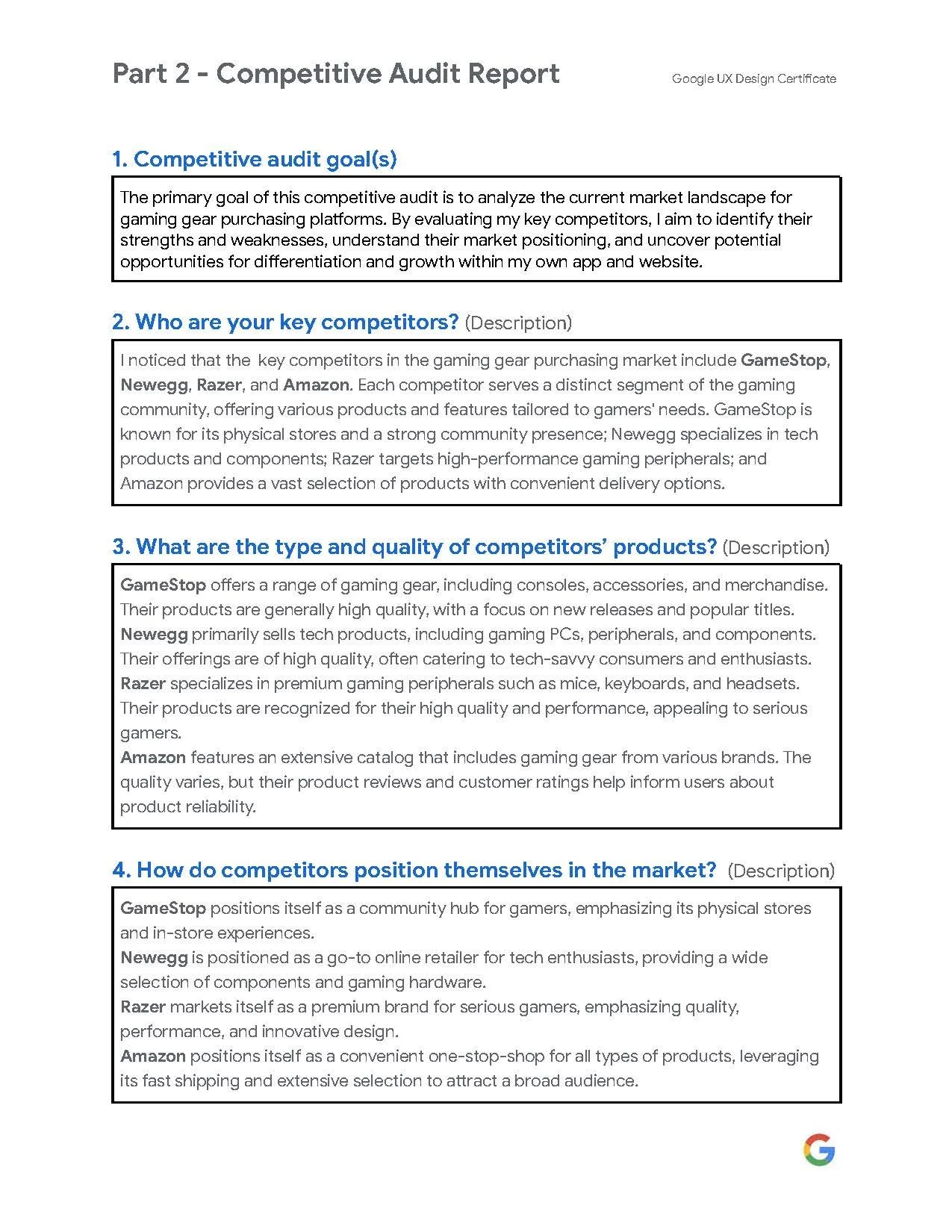
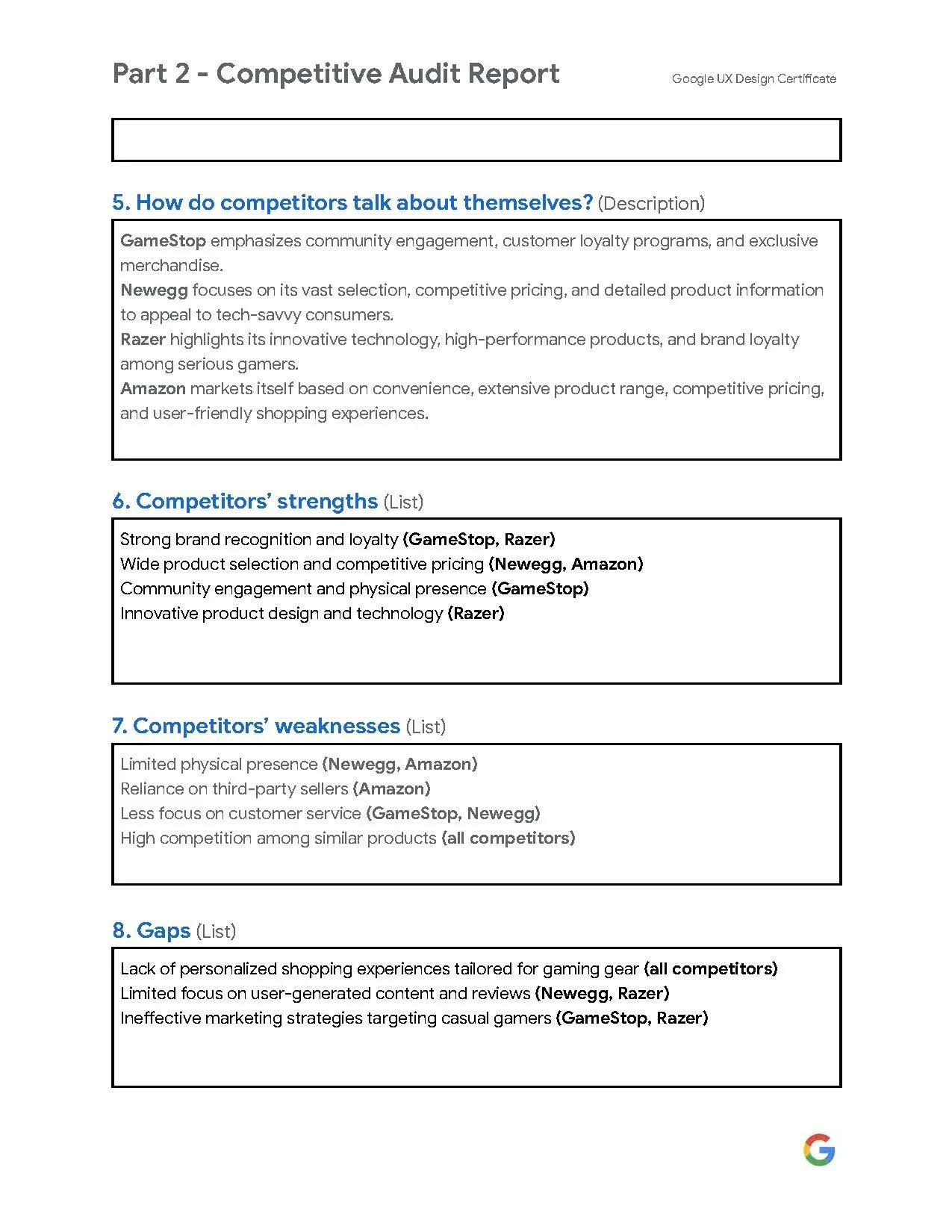
My research began strategically with a UX Research Study Plan and a deep-dive Competitive Audit Report to establish market context and identify unmet needs.
I began my research with a UX Research Study Plan and a deep-dive Competitive Audit Report to establish market context and identify unmet needs.
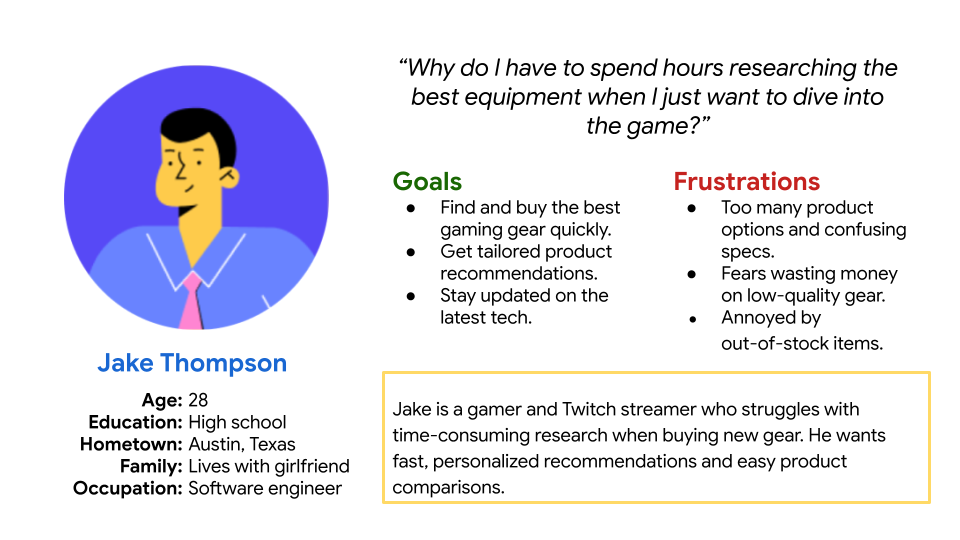
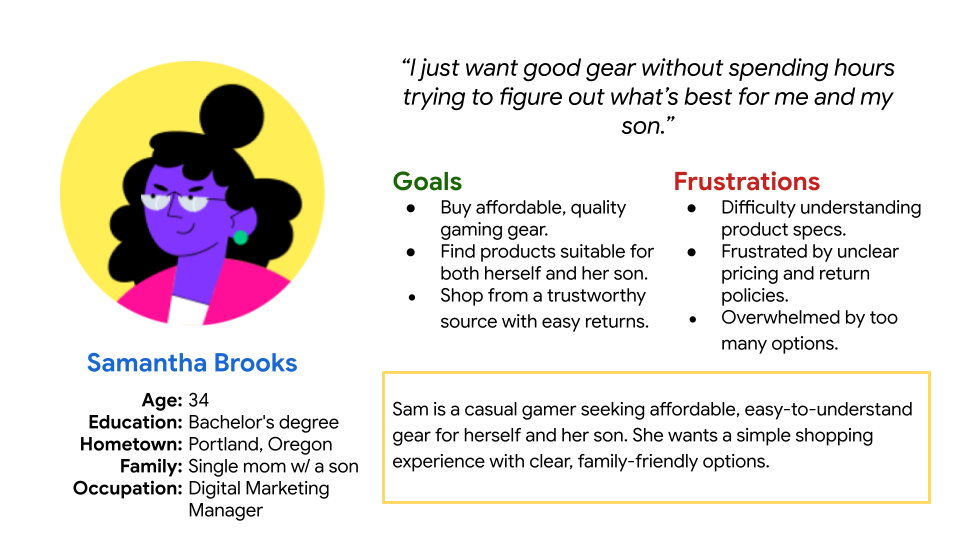
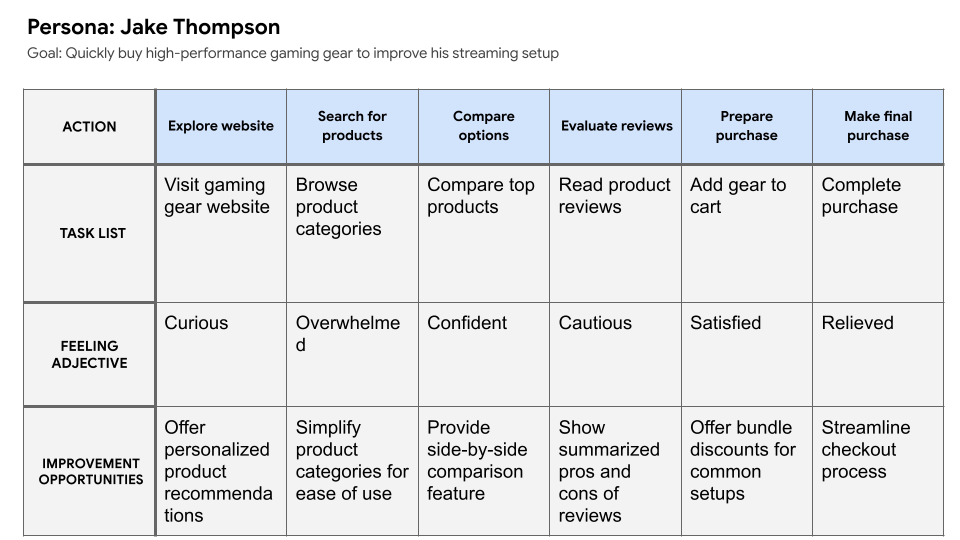
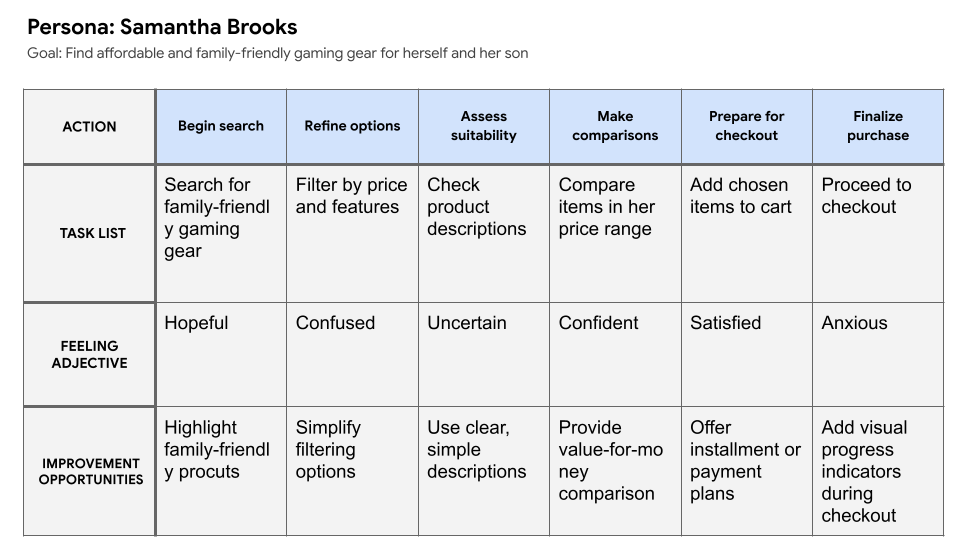
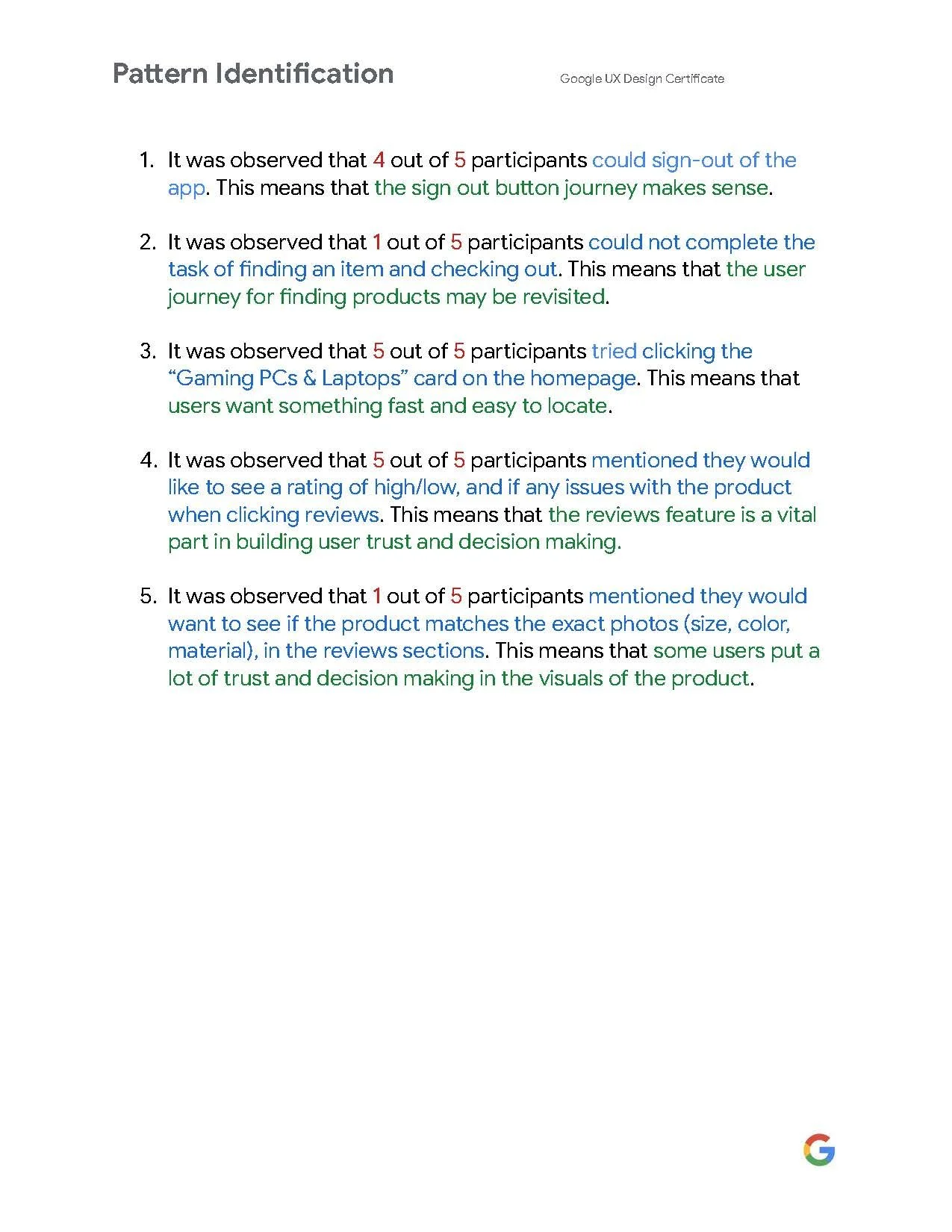
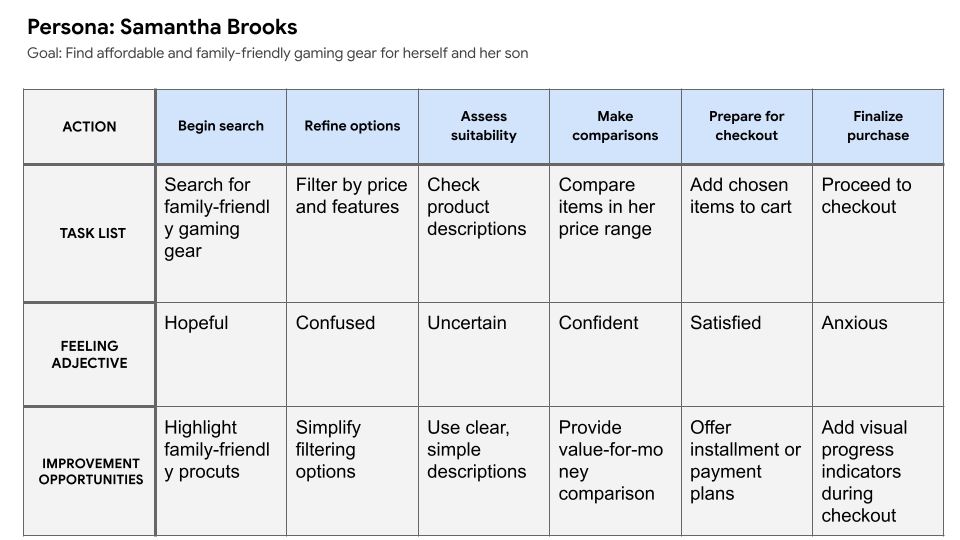
My research brought the users to life by creating two detailed Personas and identifying the core user Insights that formalized their real-world pain points.
See images below.

Defining the Solution
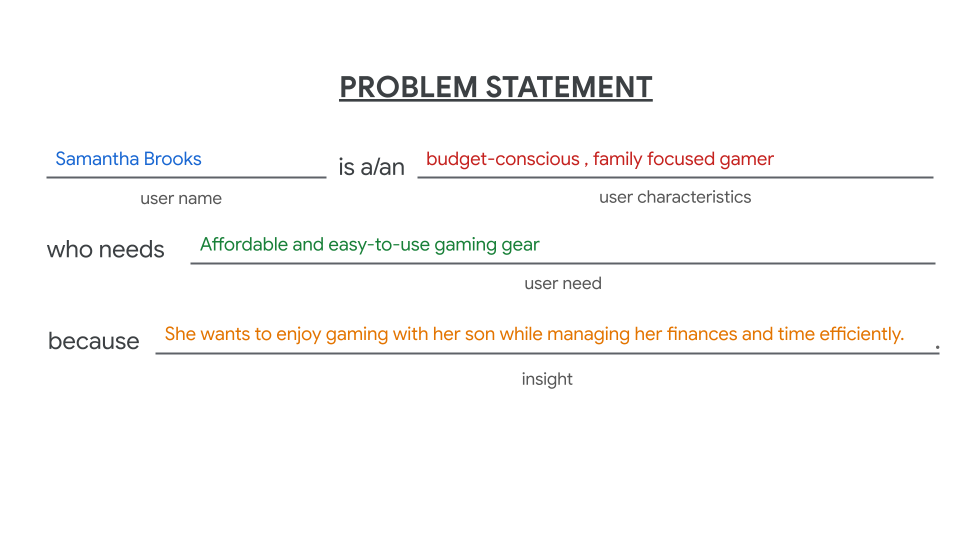
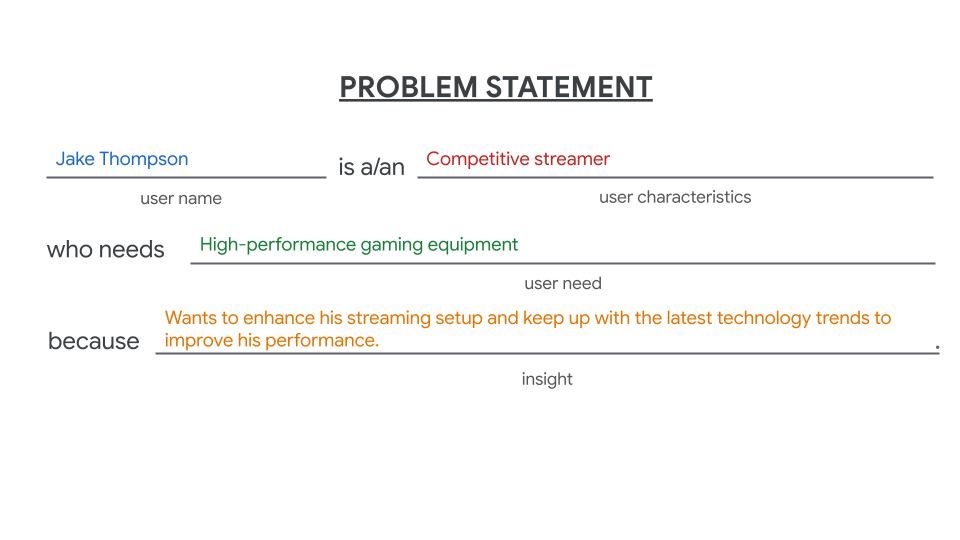
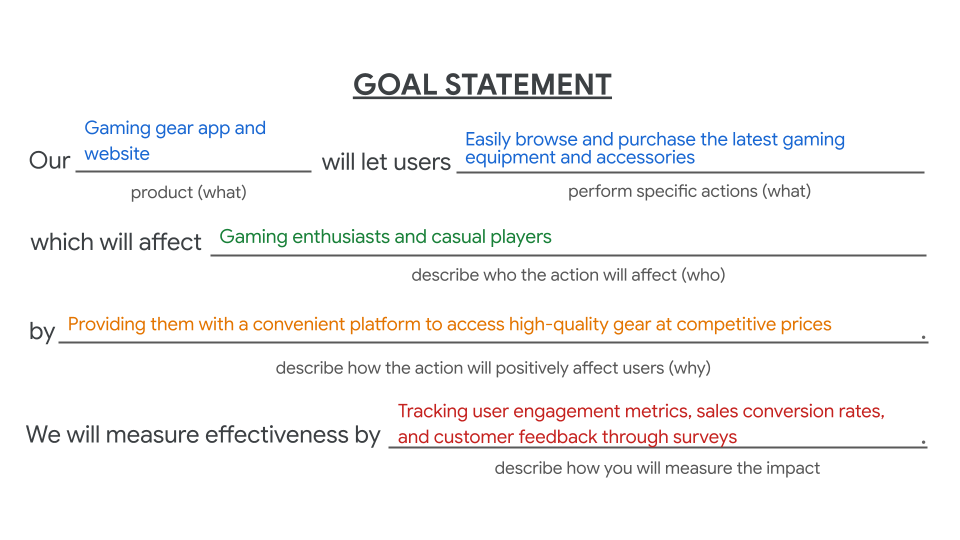
With user needs formalized, I defined the entire project scope by setting clear Problem Statements and a measurable Goal Statement.
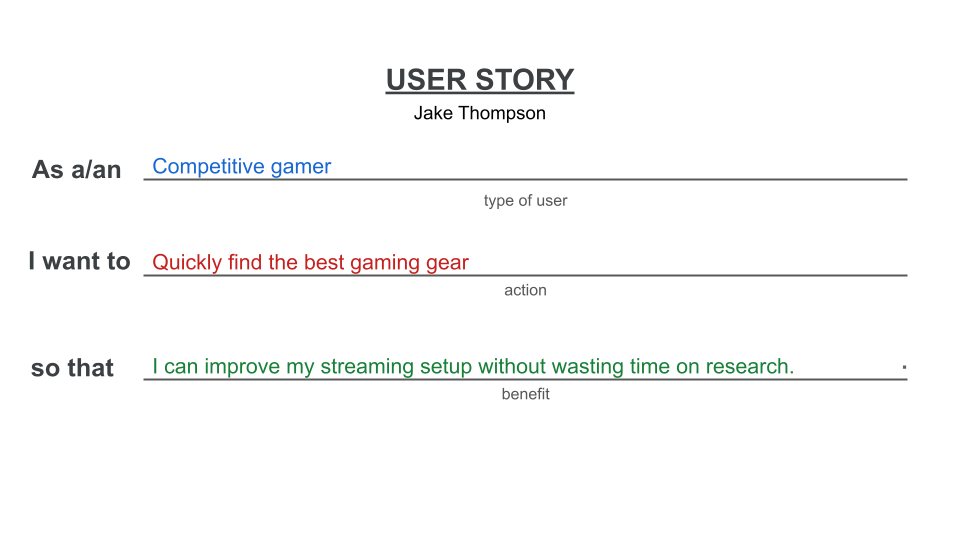
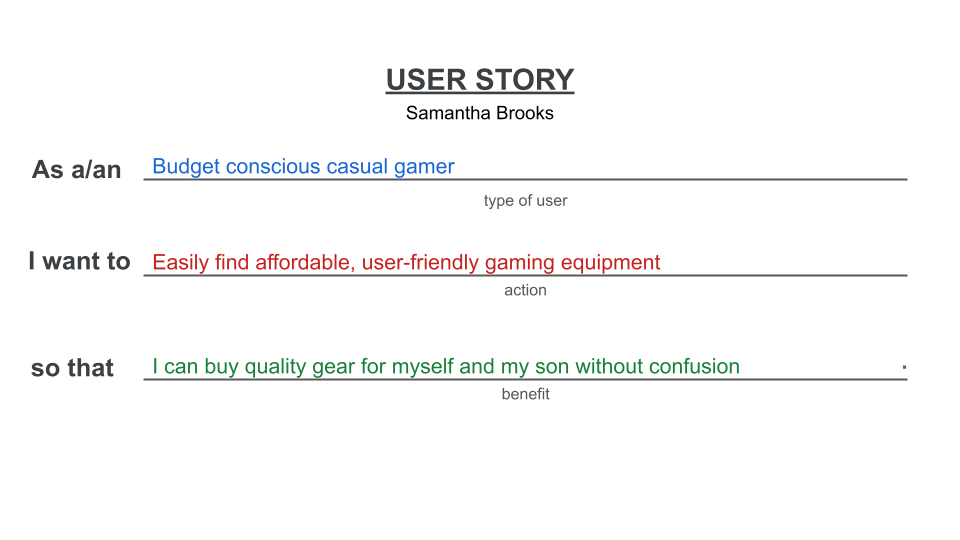
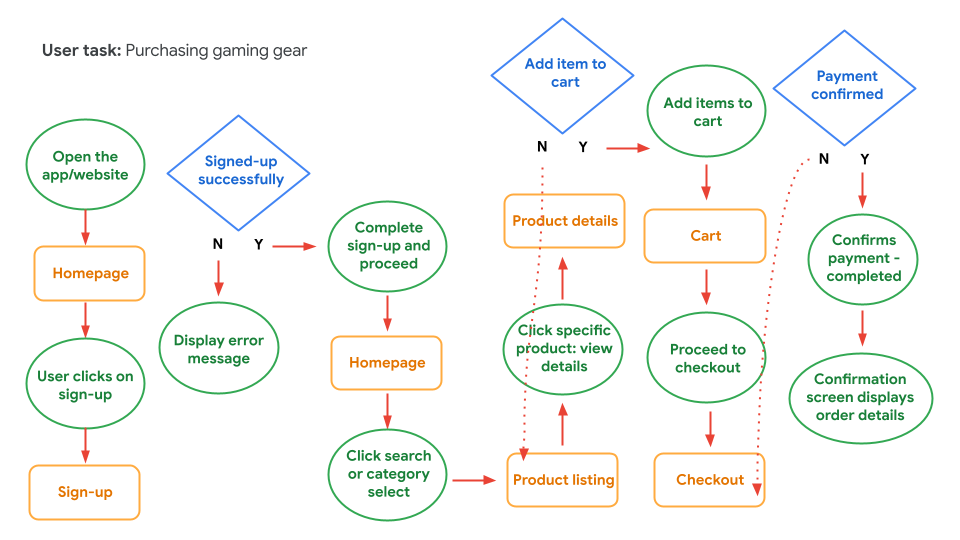
With this framework established, I then translated the researh directly into a solution blueprint built from User Stories, User Journey Maps, and detailed User Flows.

Design execution
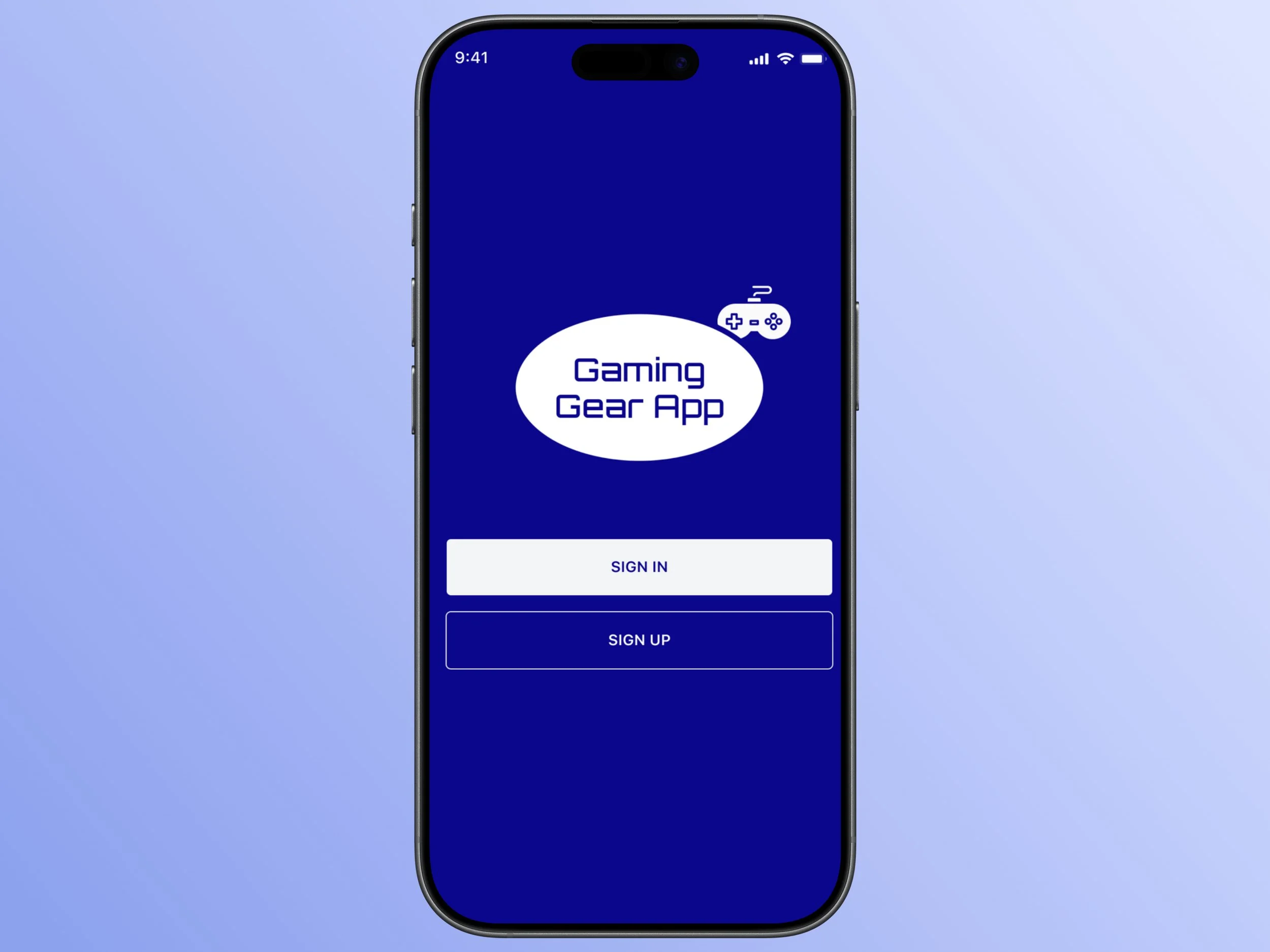
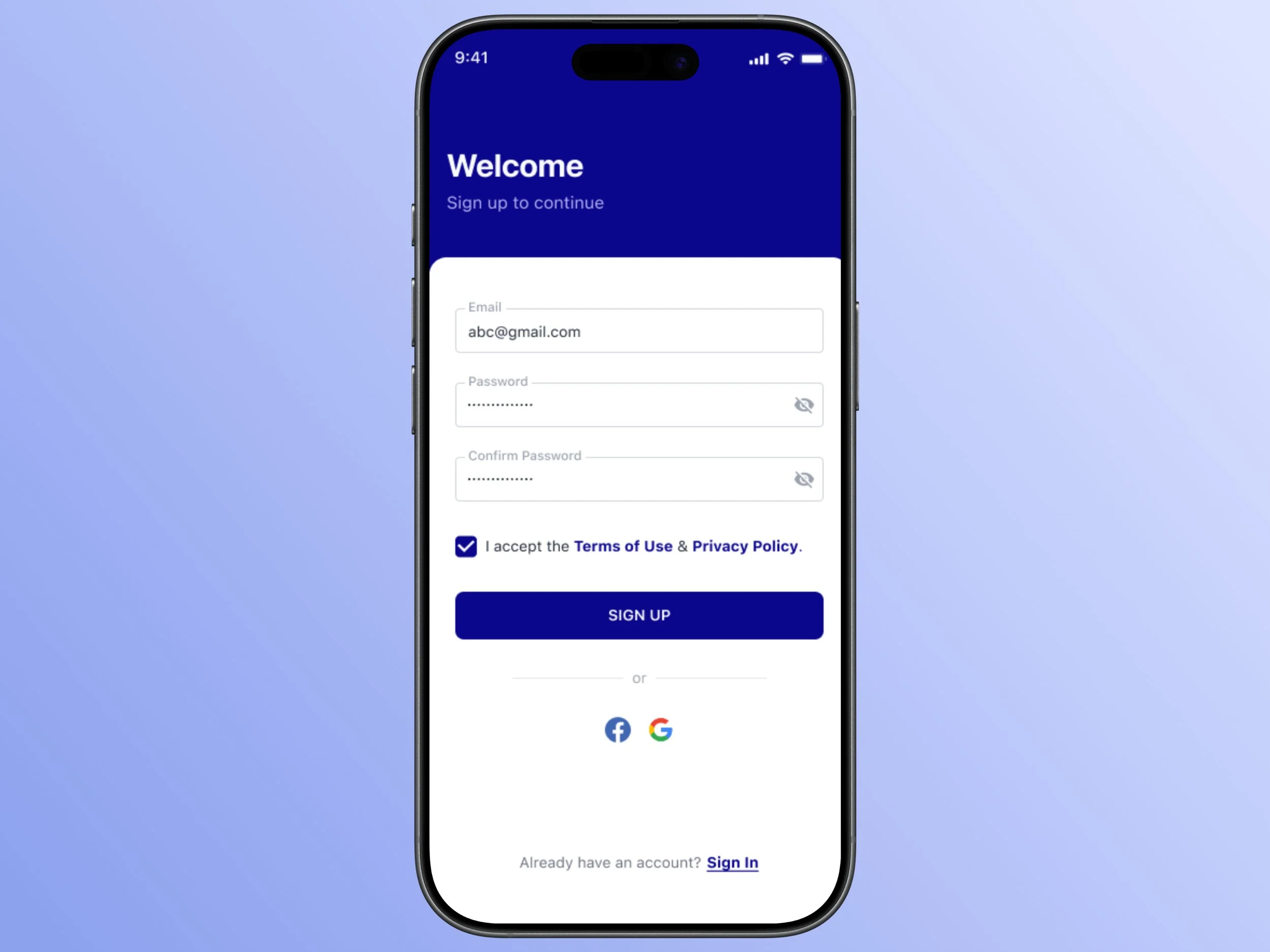
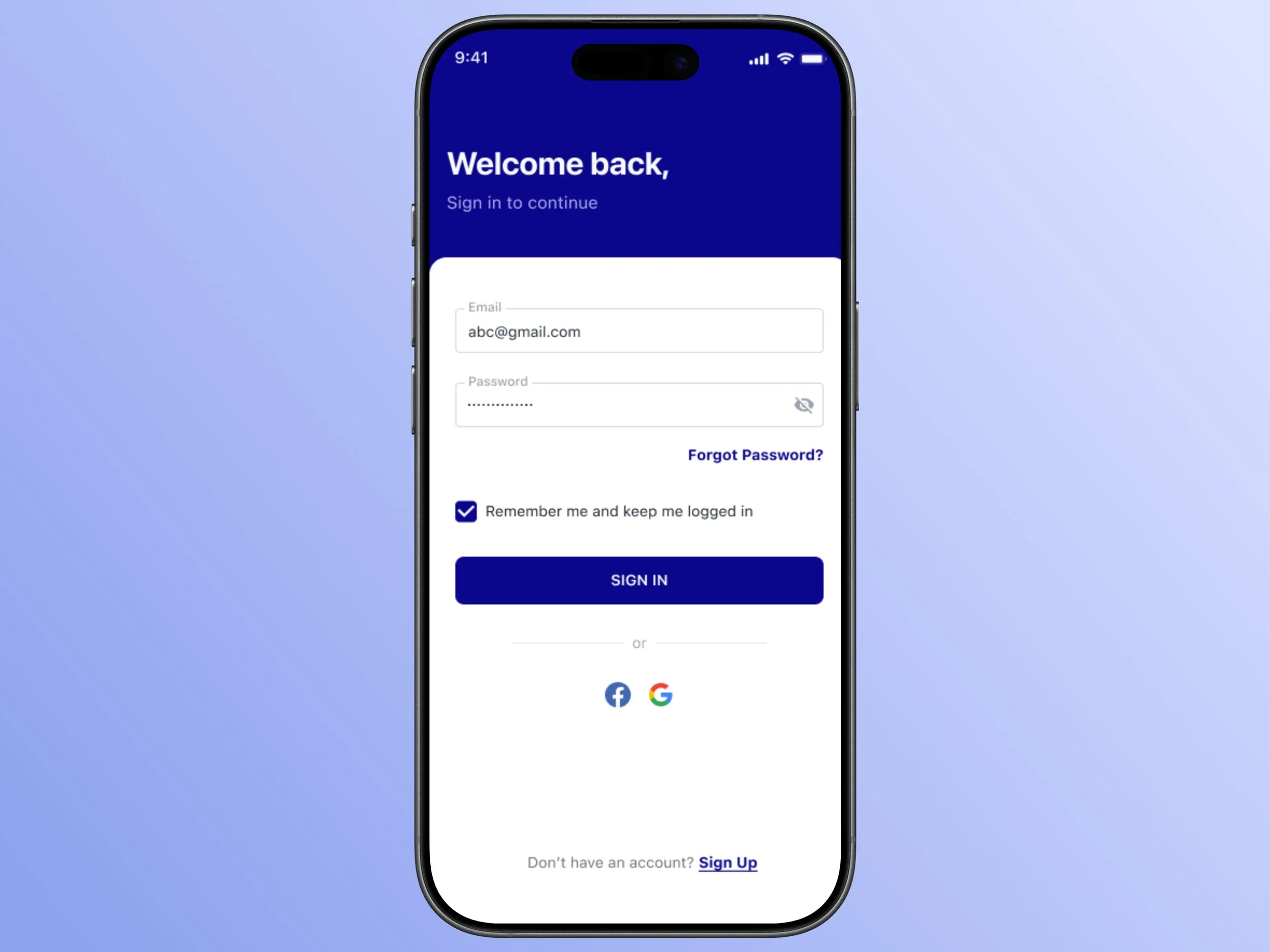
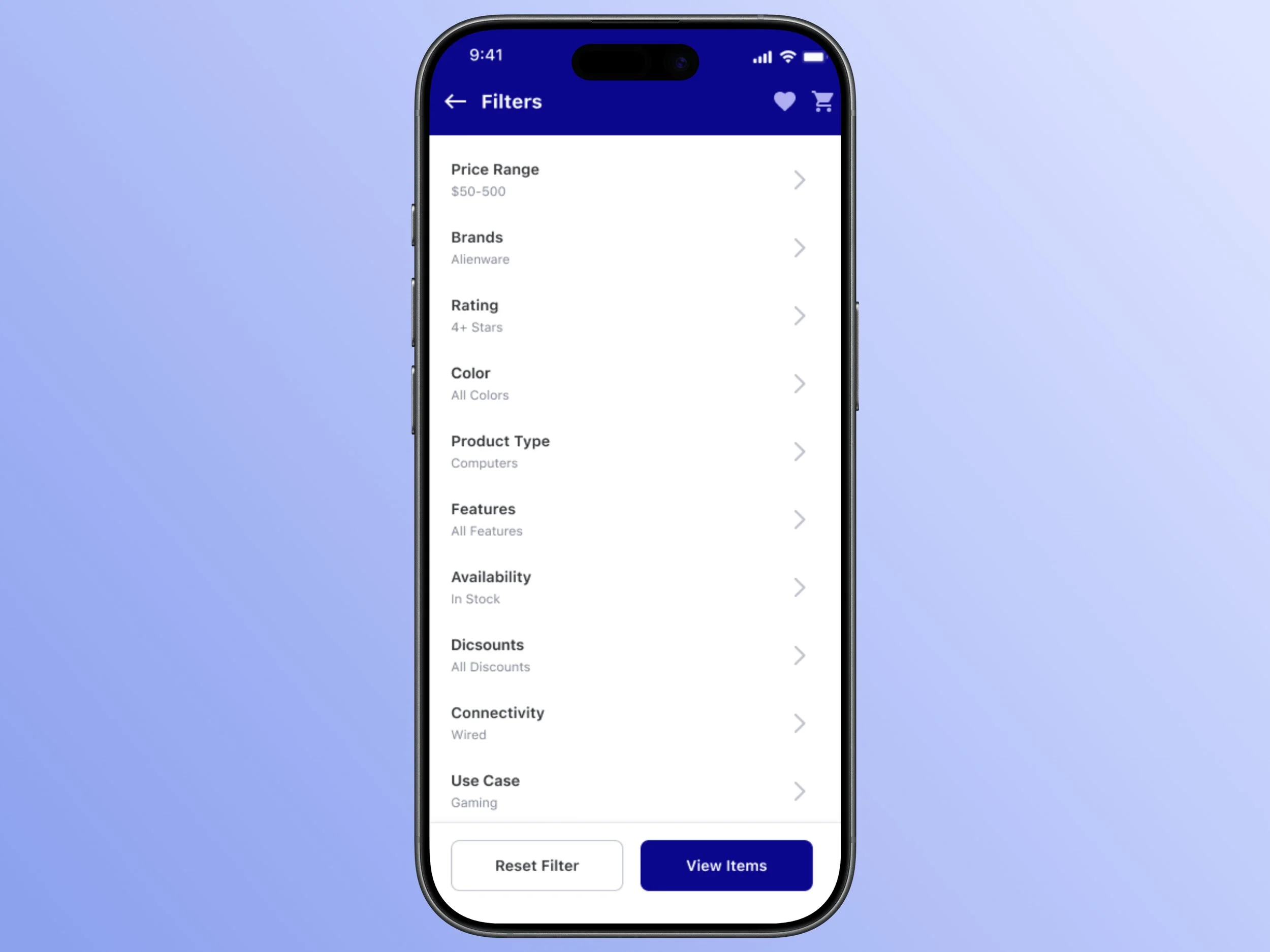
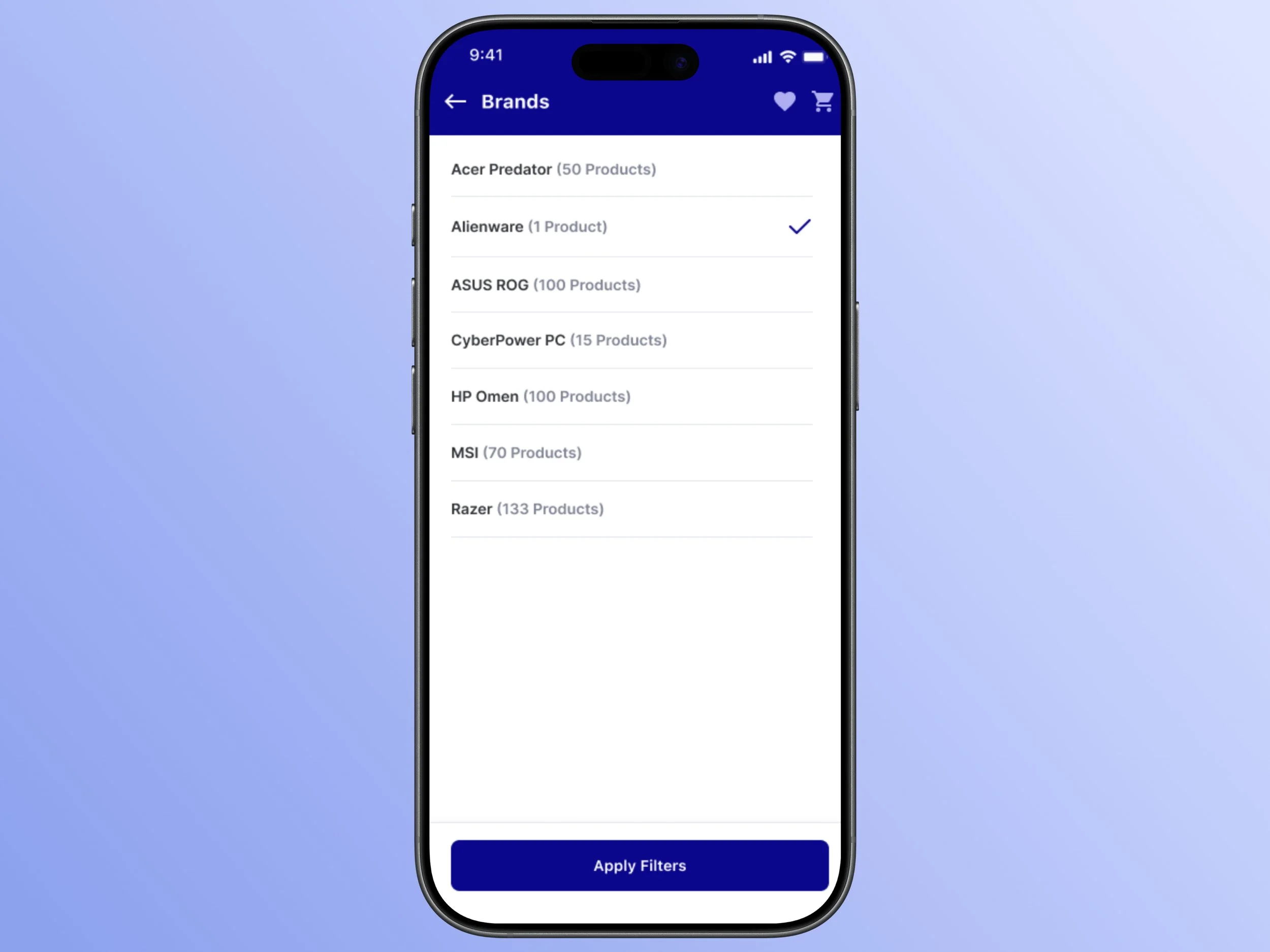
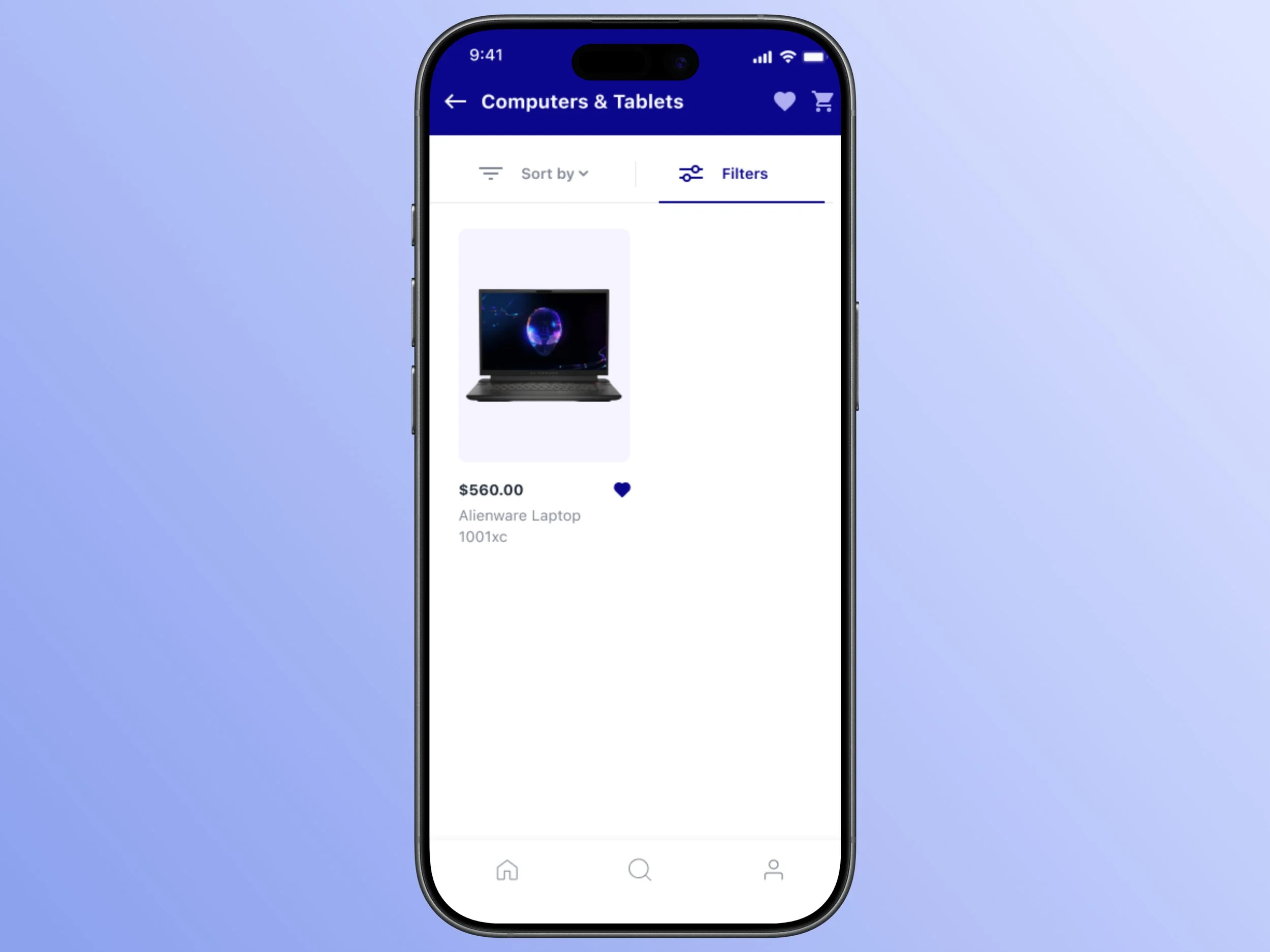
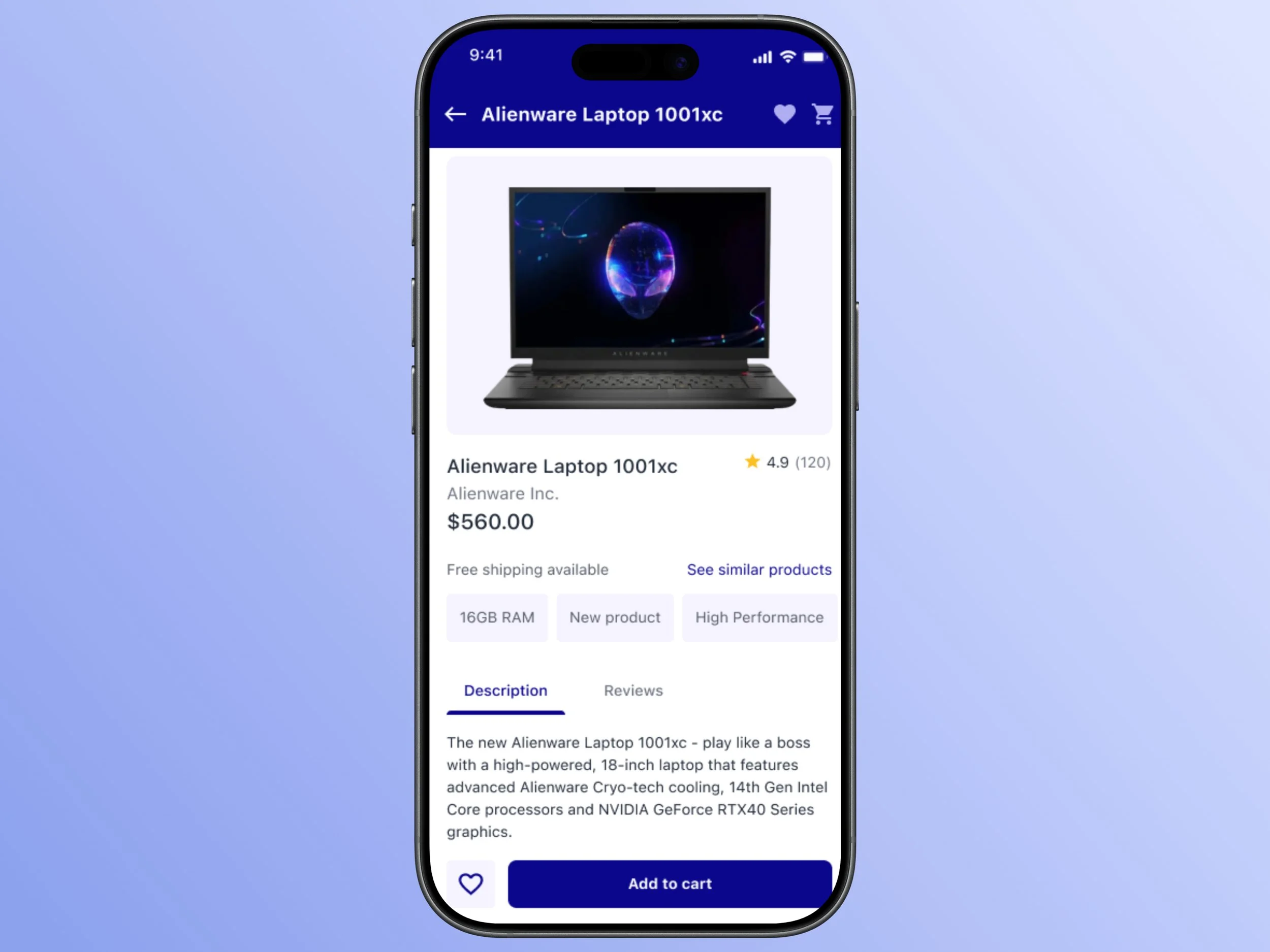
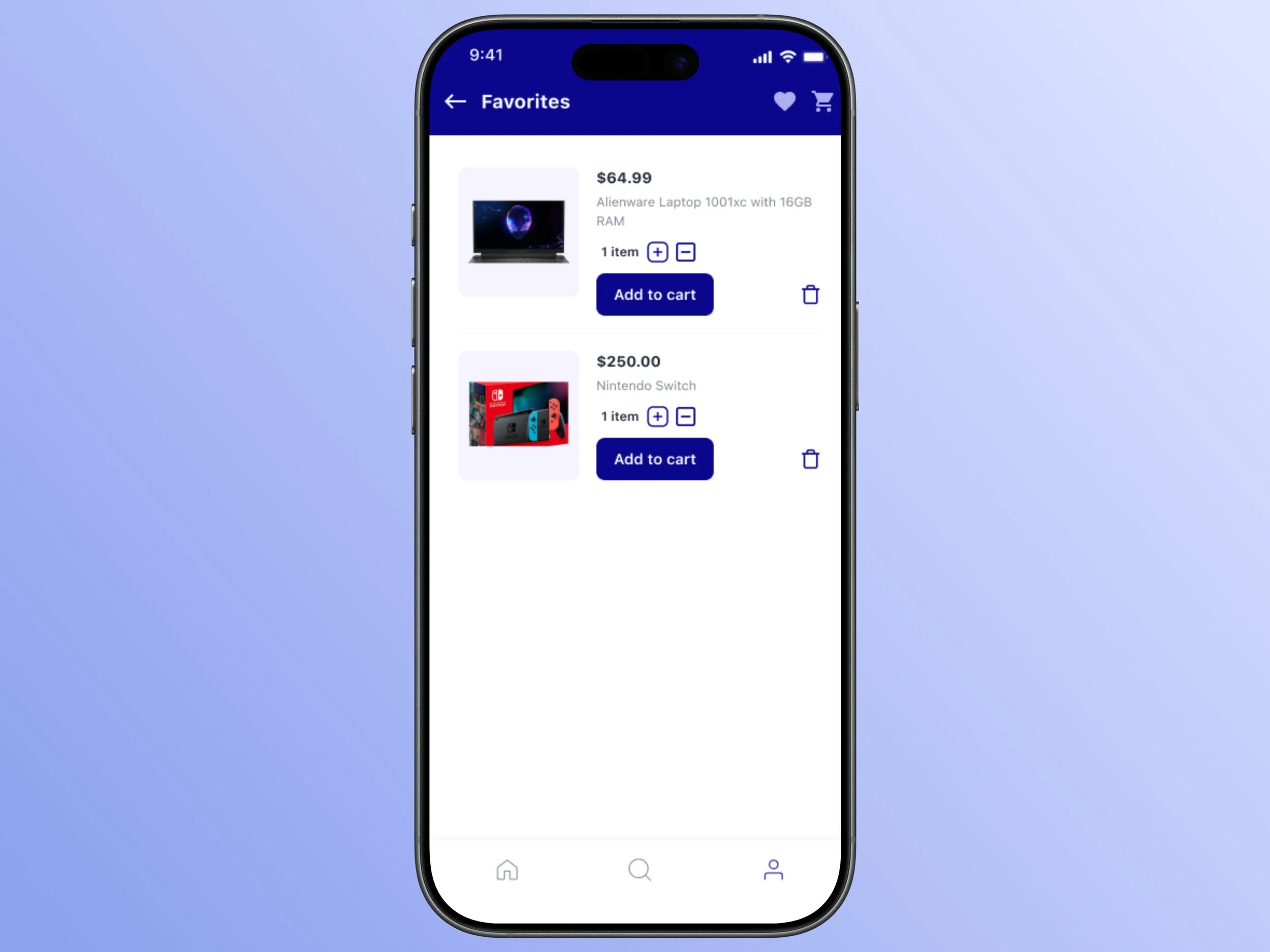
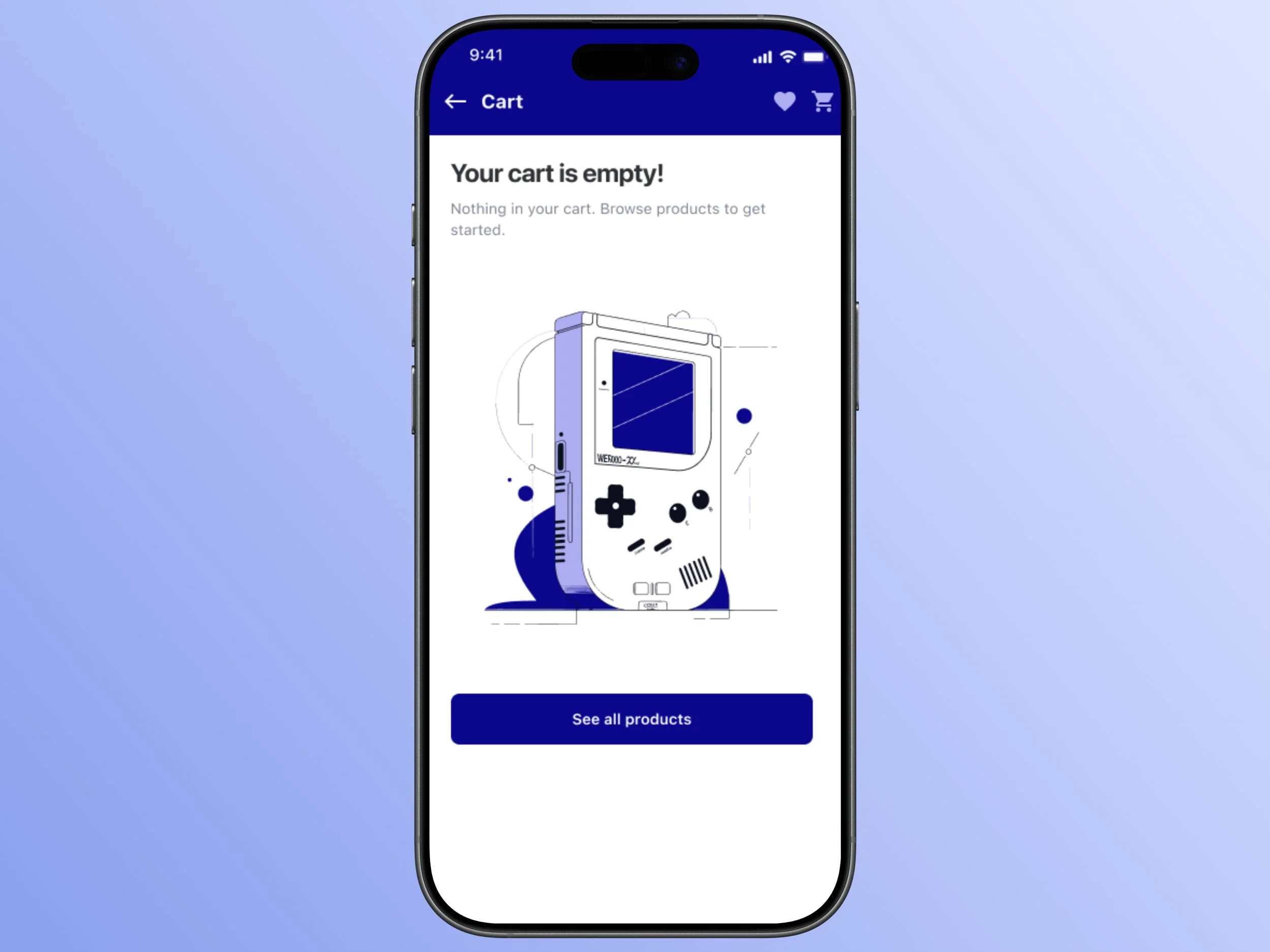
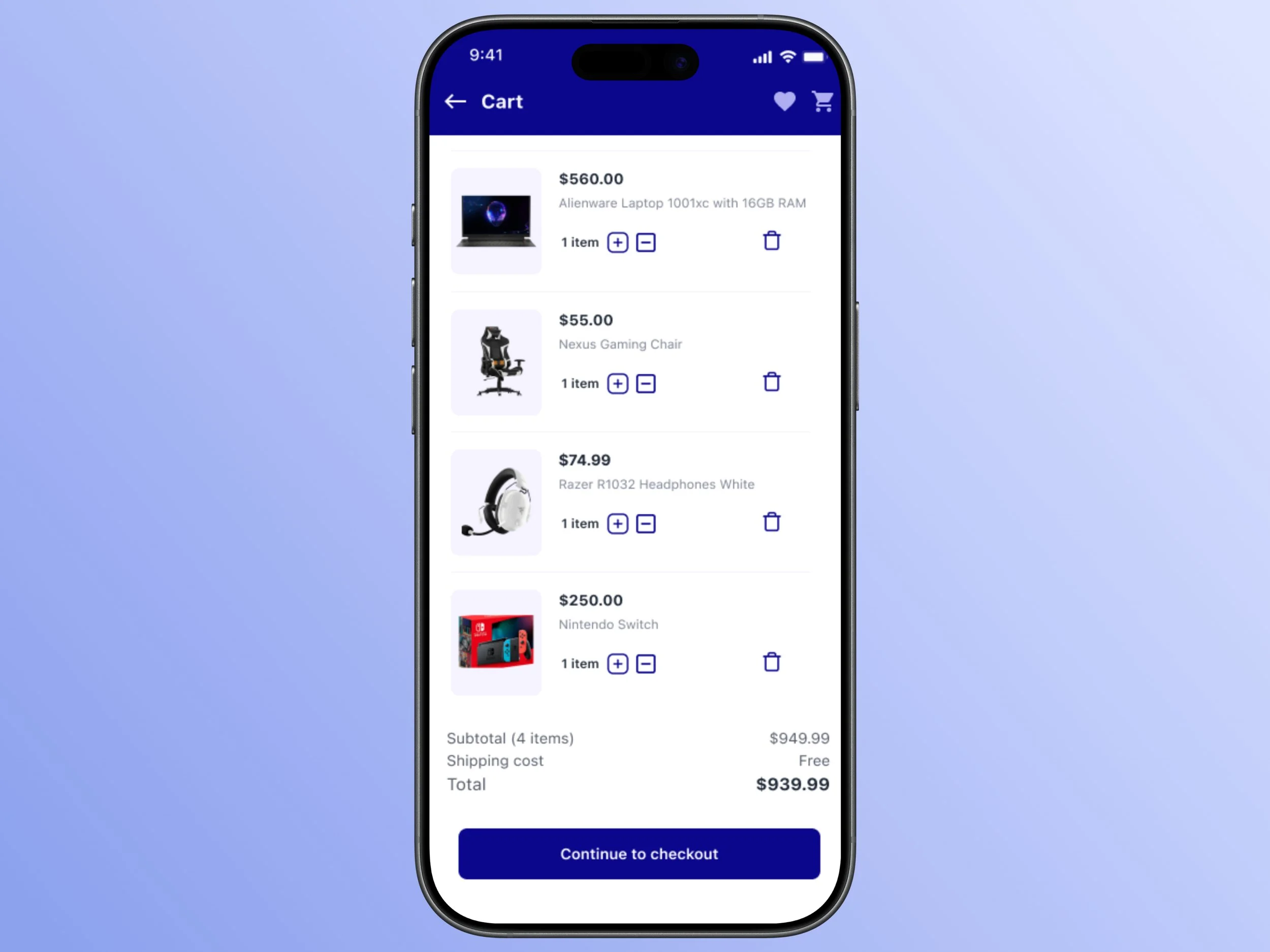
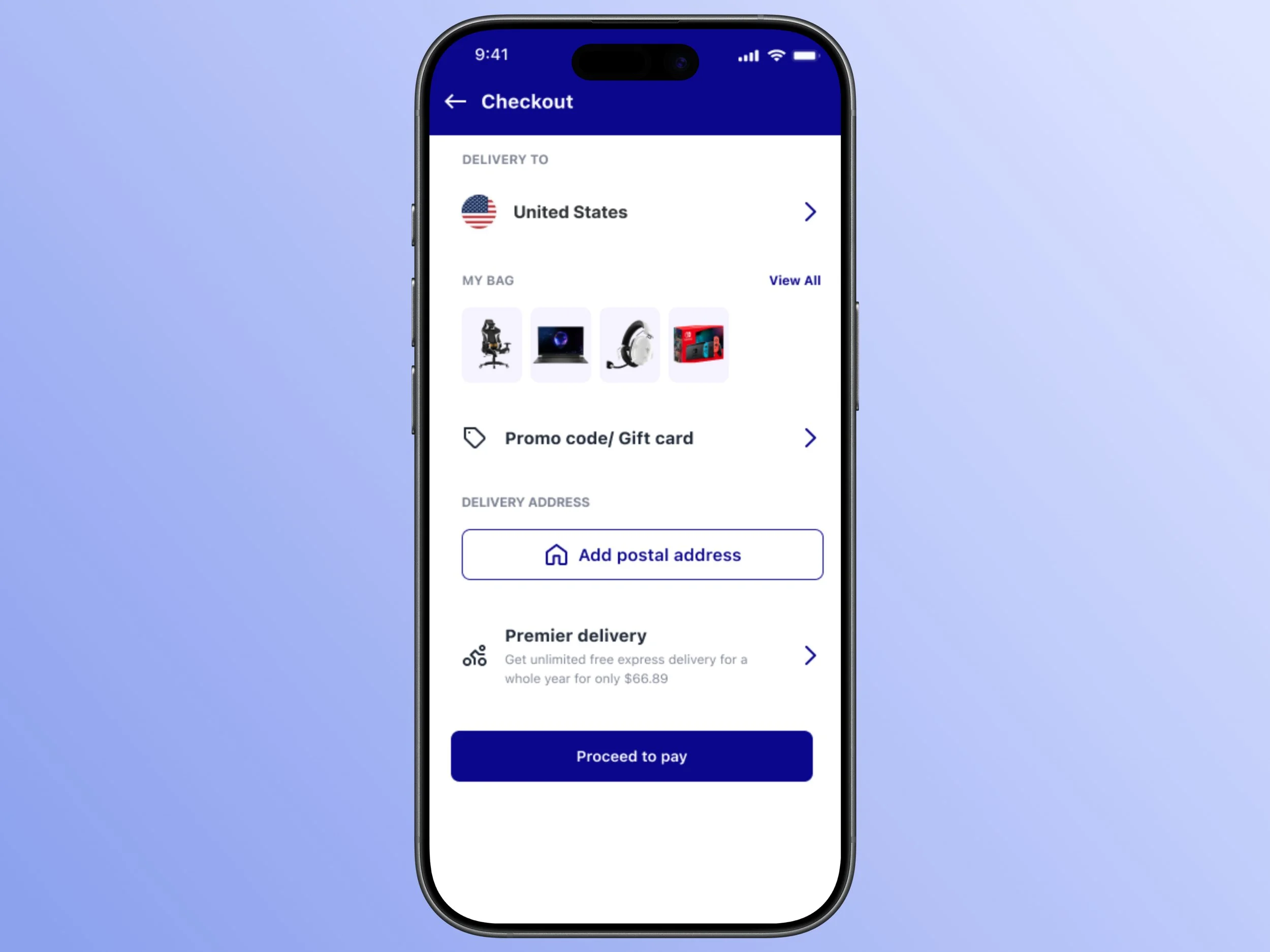
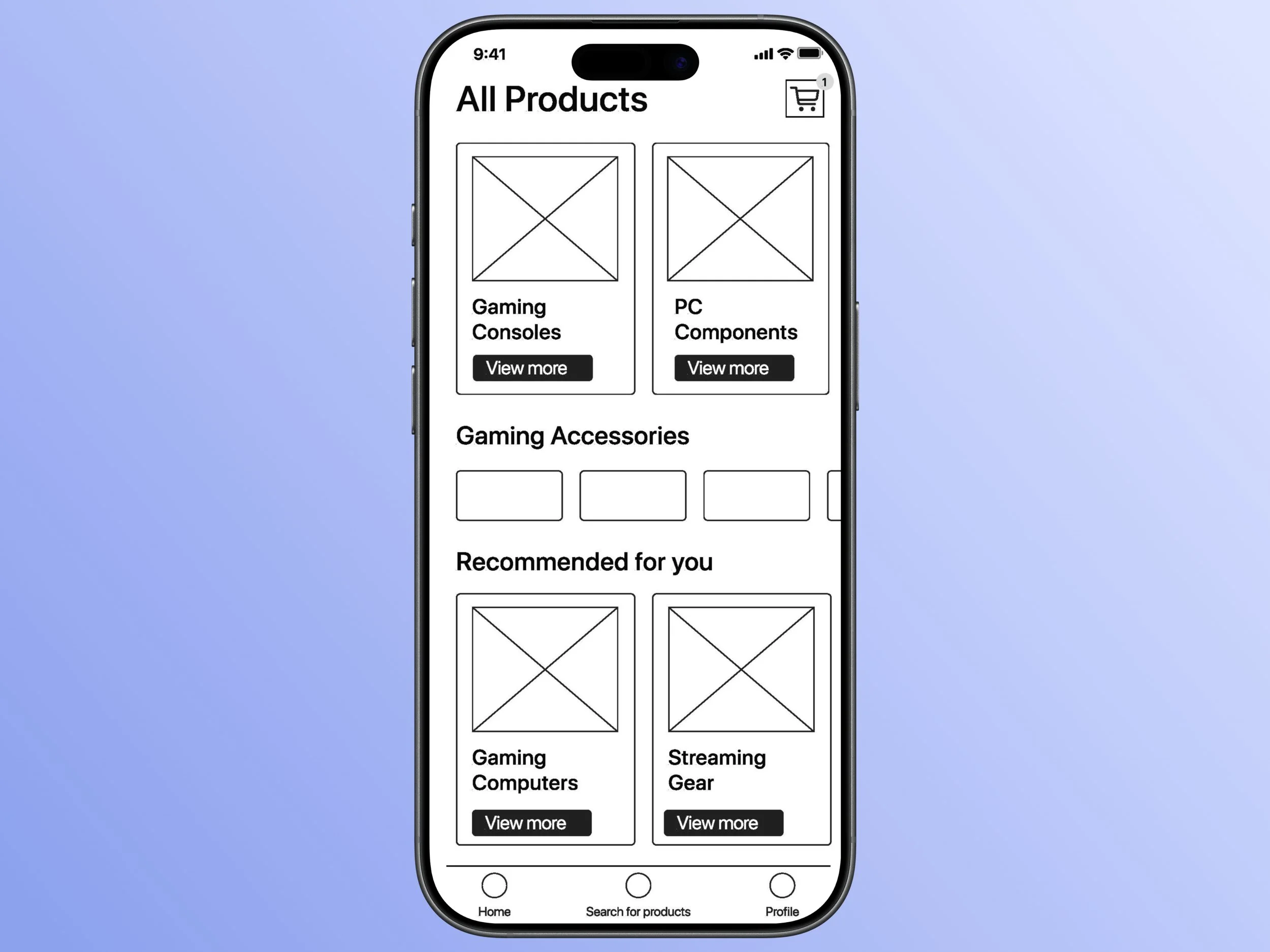
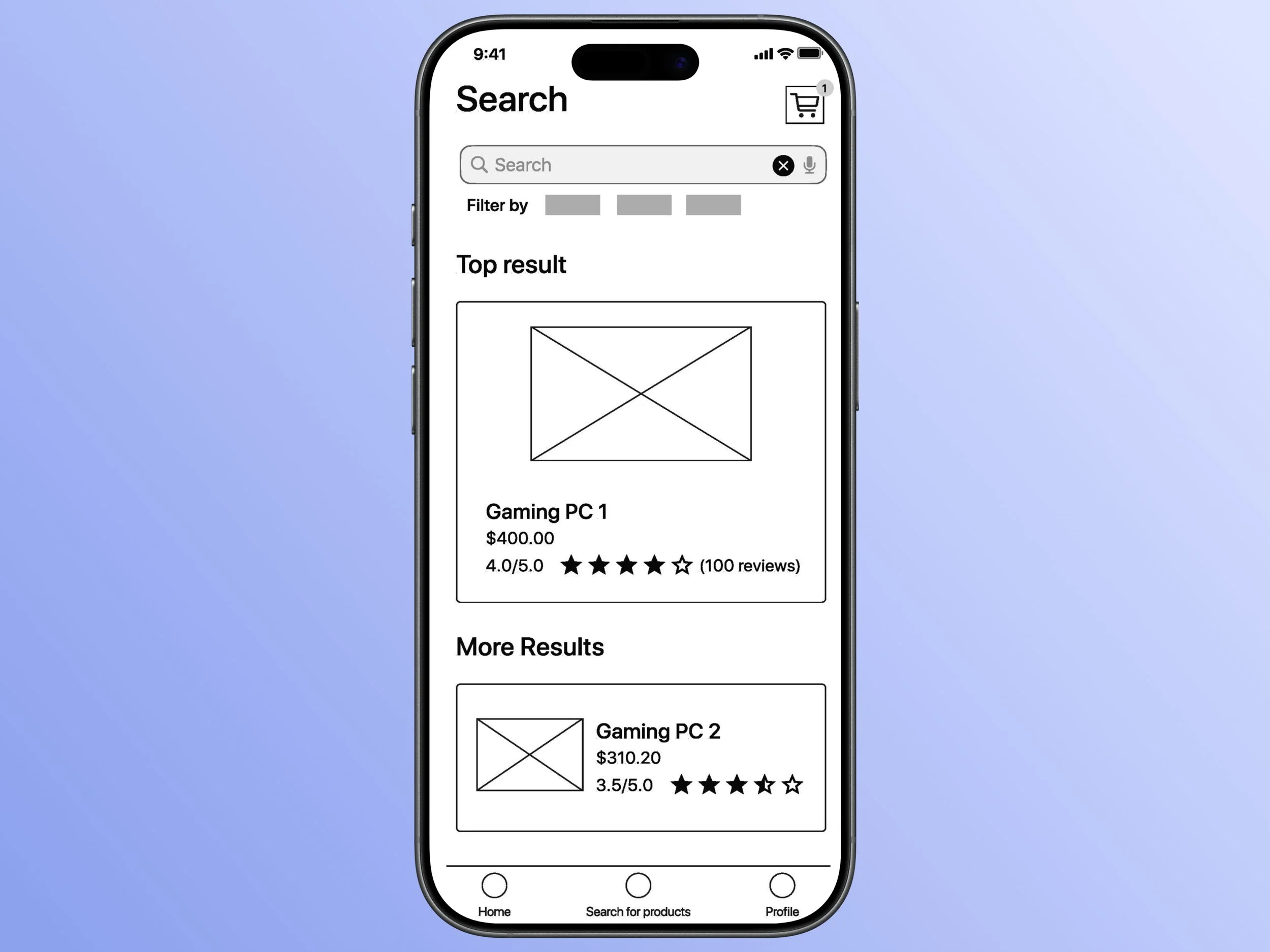
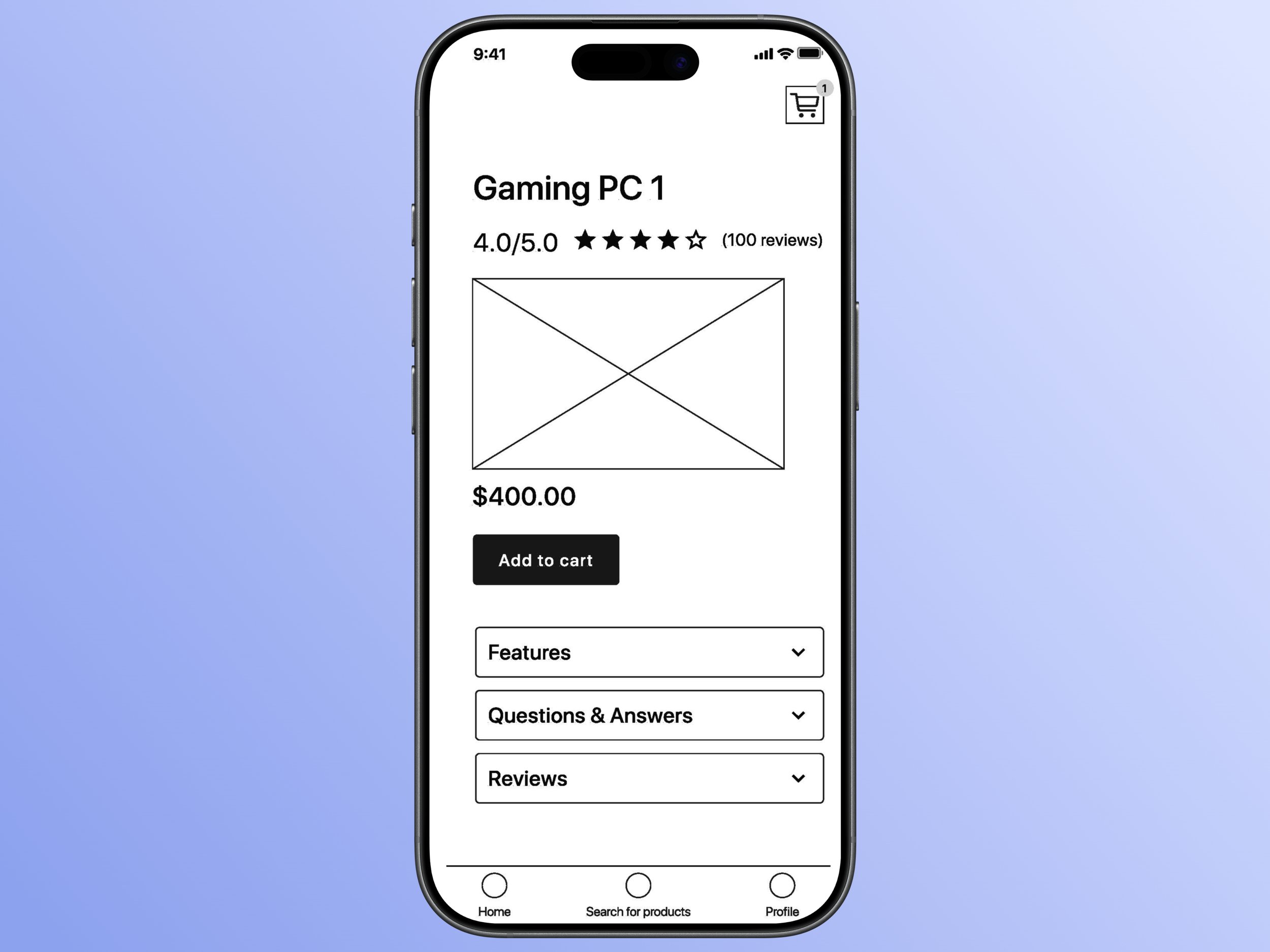
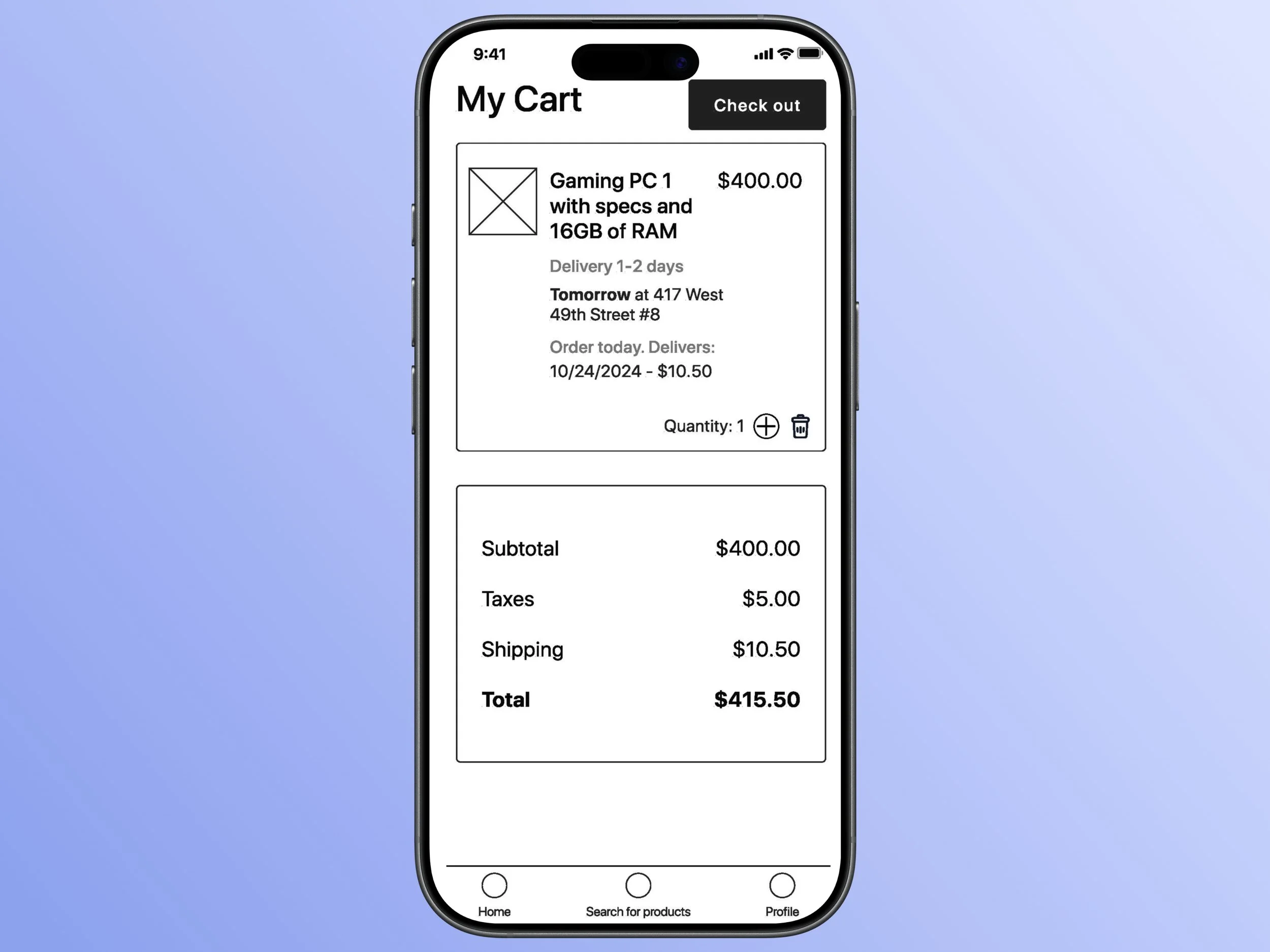
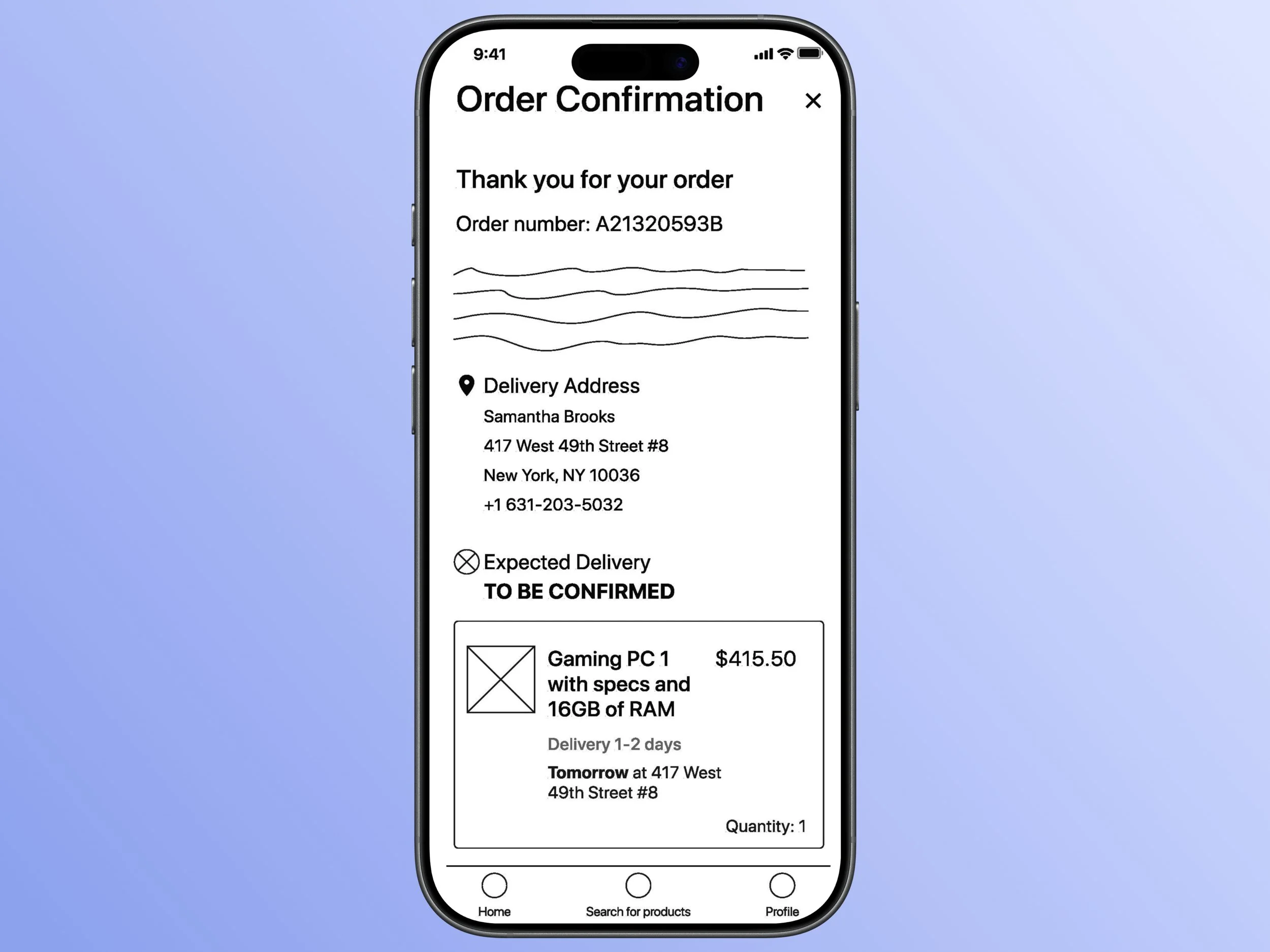
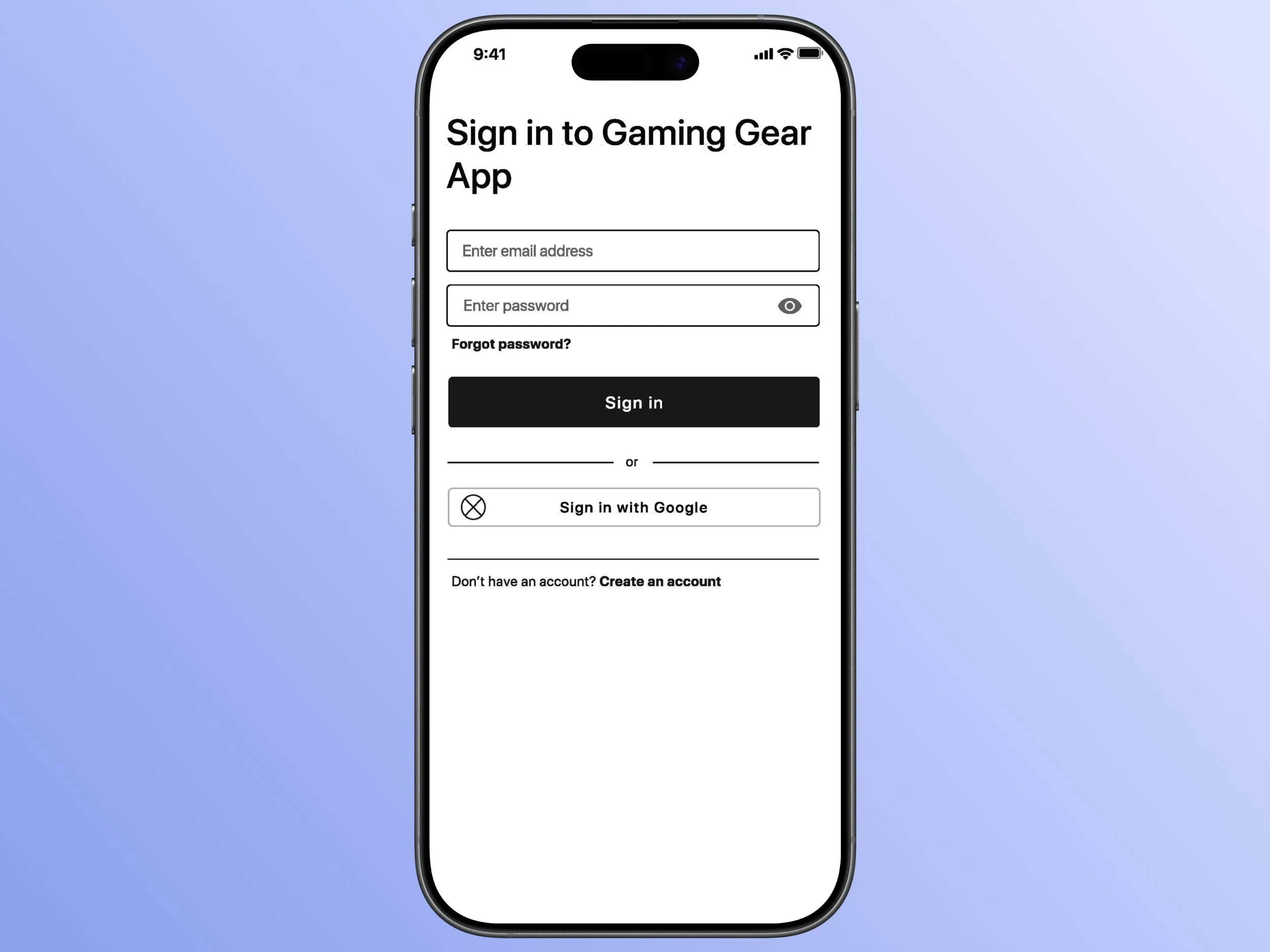
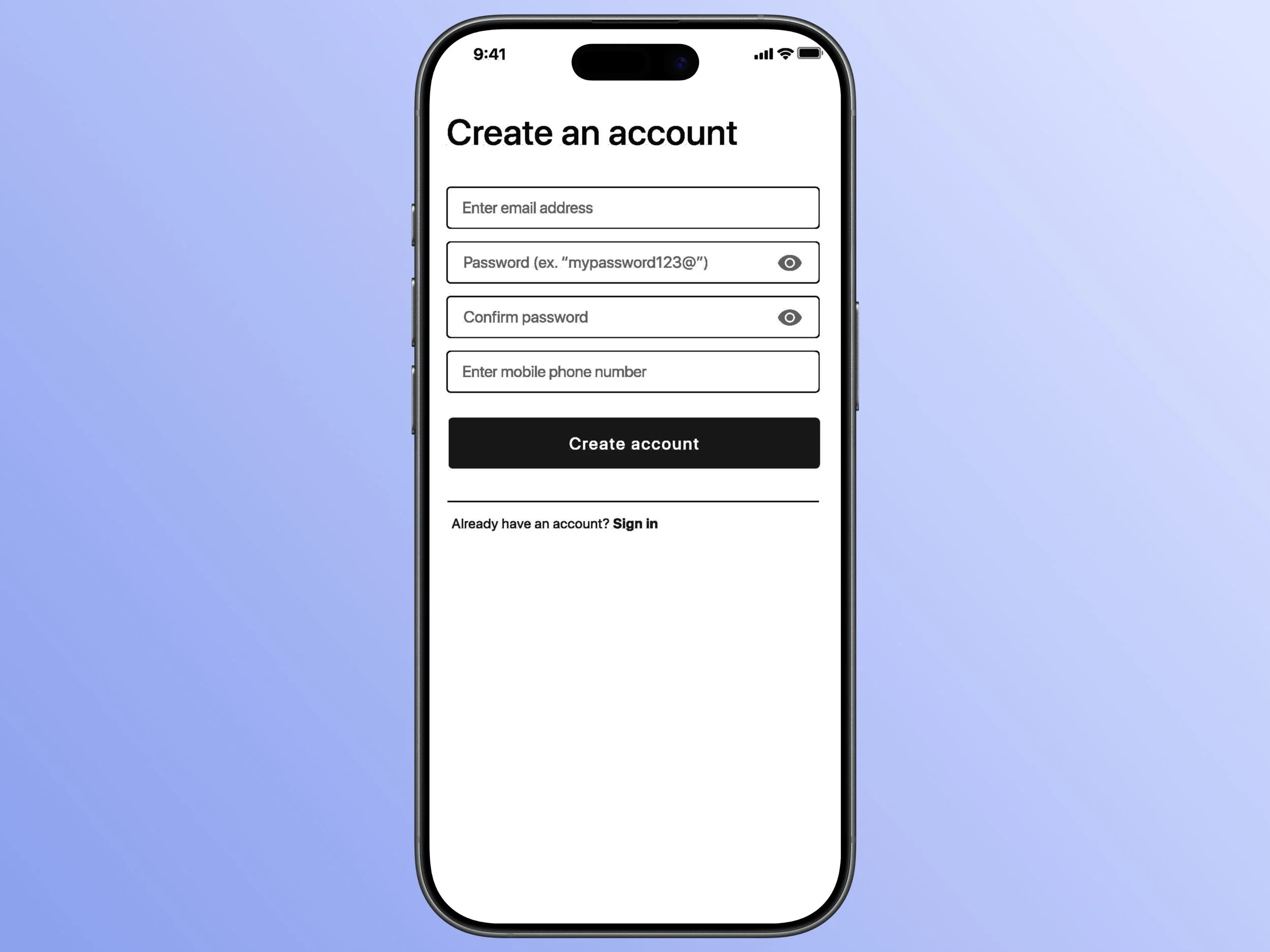
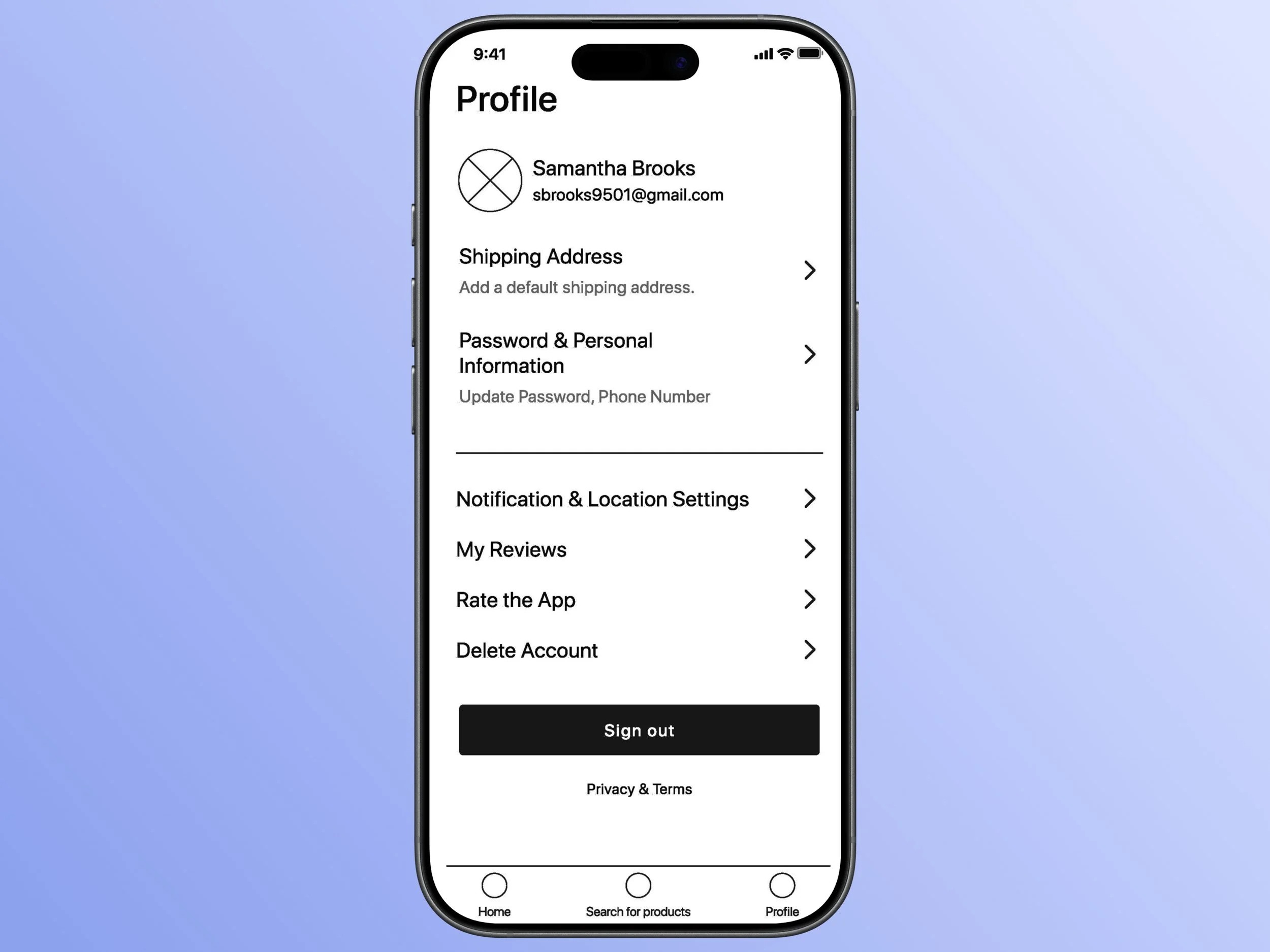
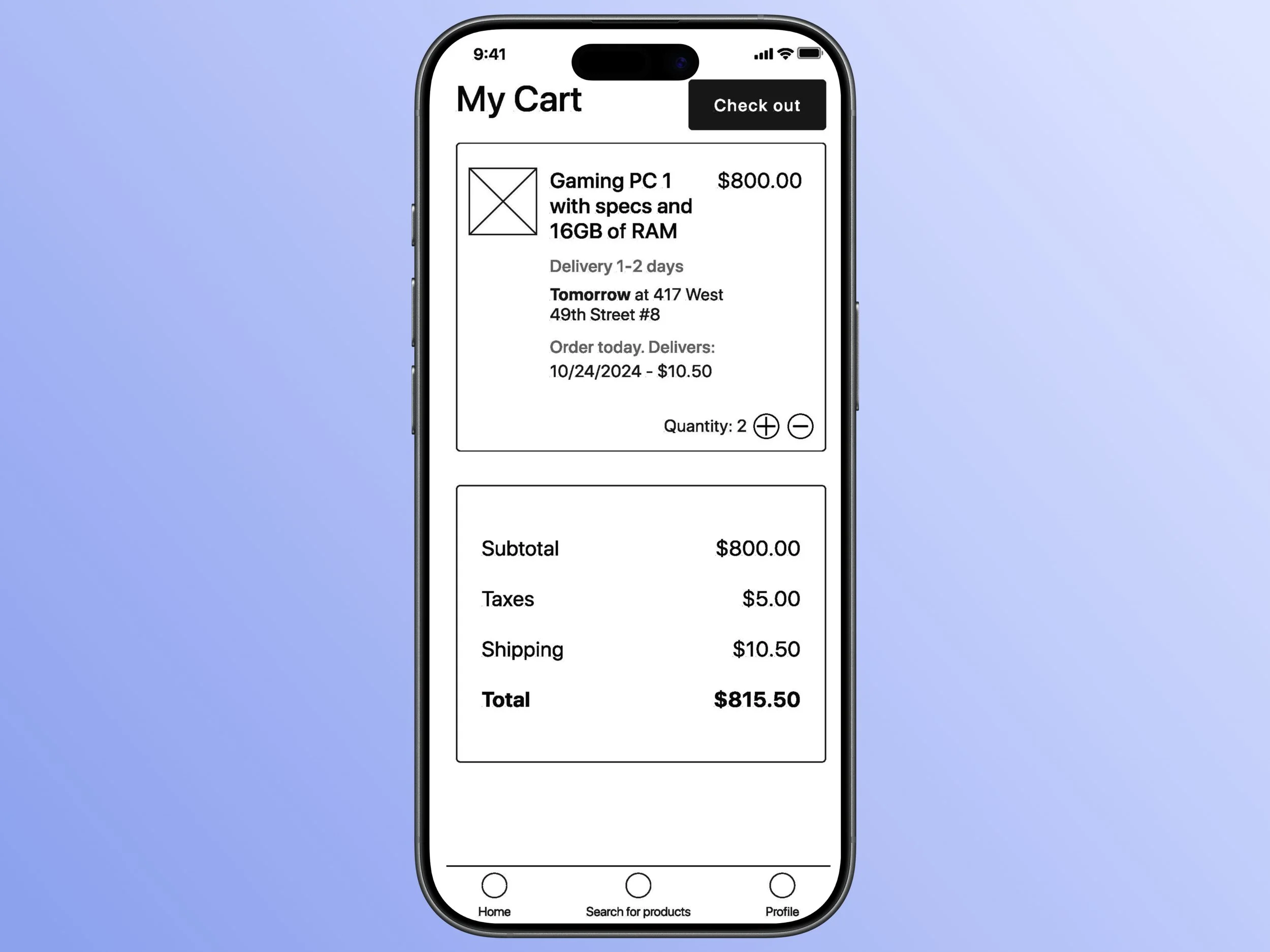
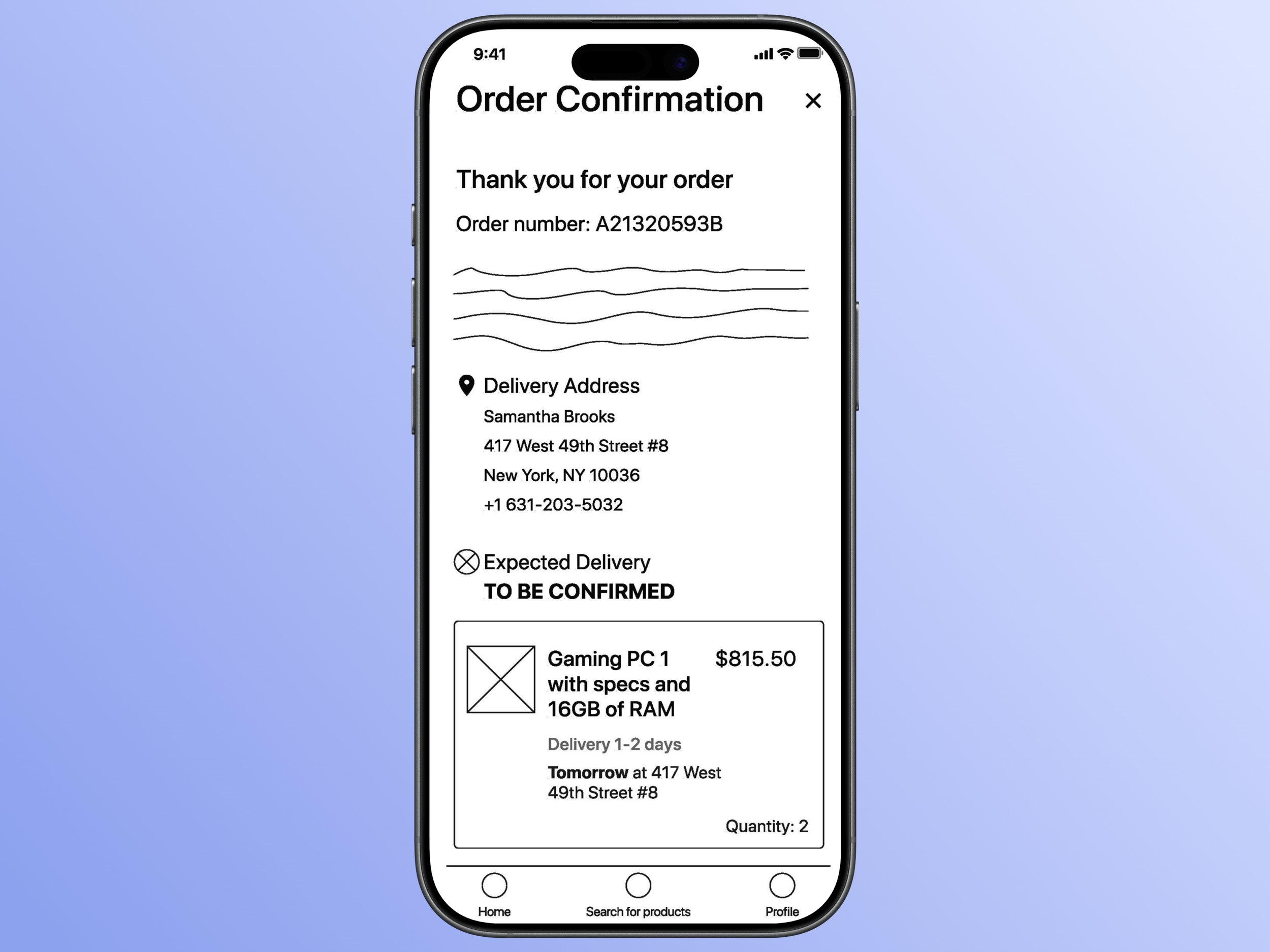
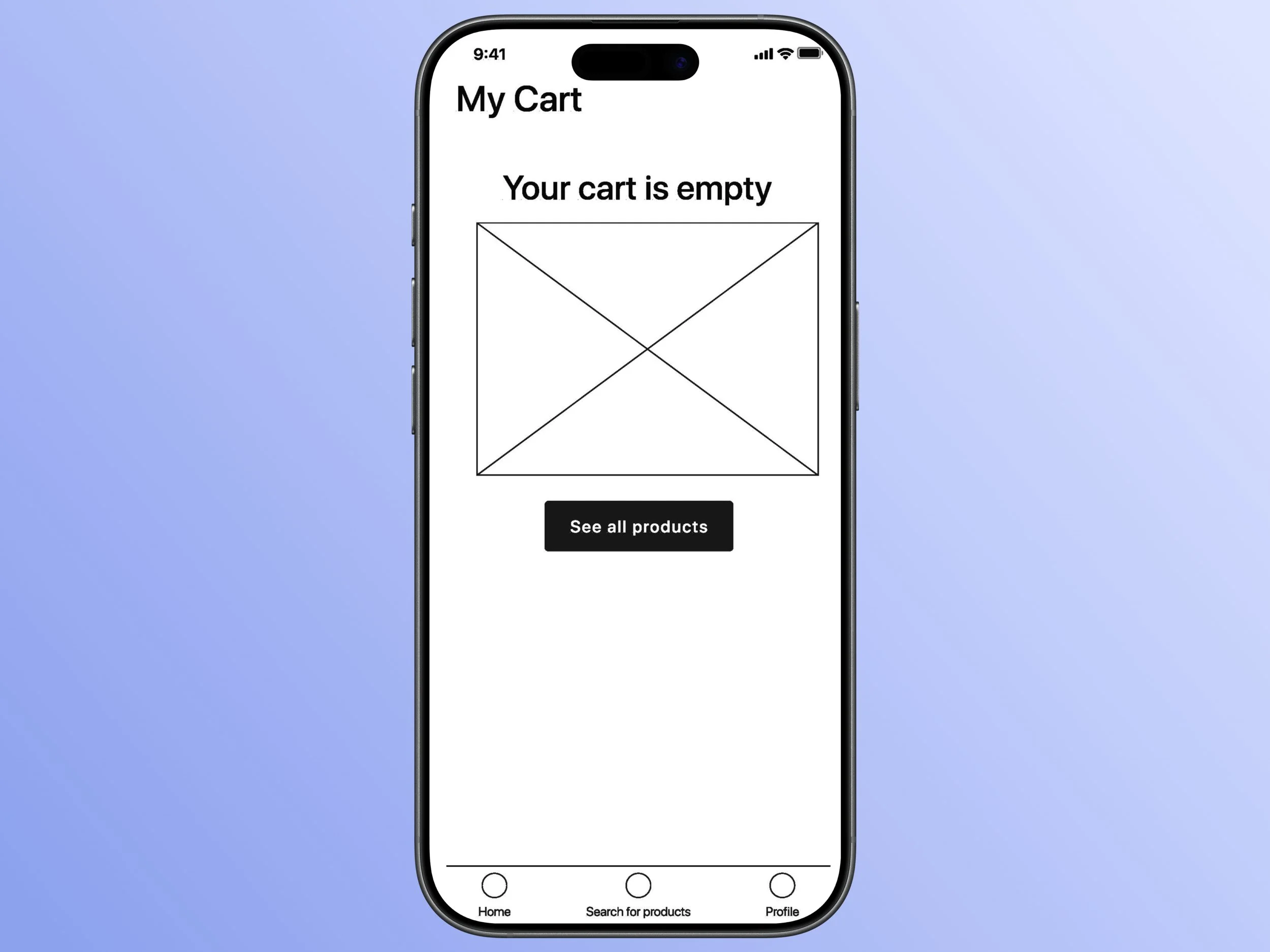
The execution phase began by translating the defined User Flows into structural low-fidelity wireframes in Figma, focusing on simple information architecture across devices.
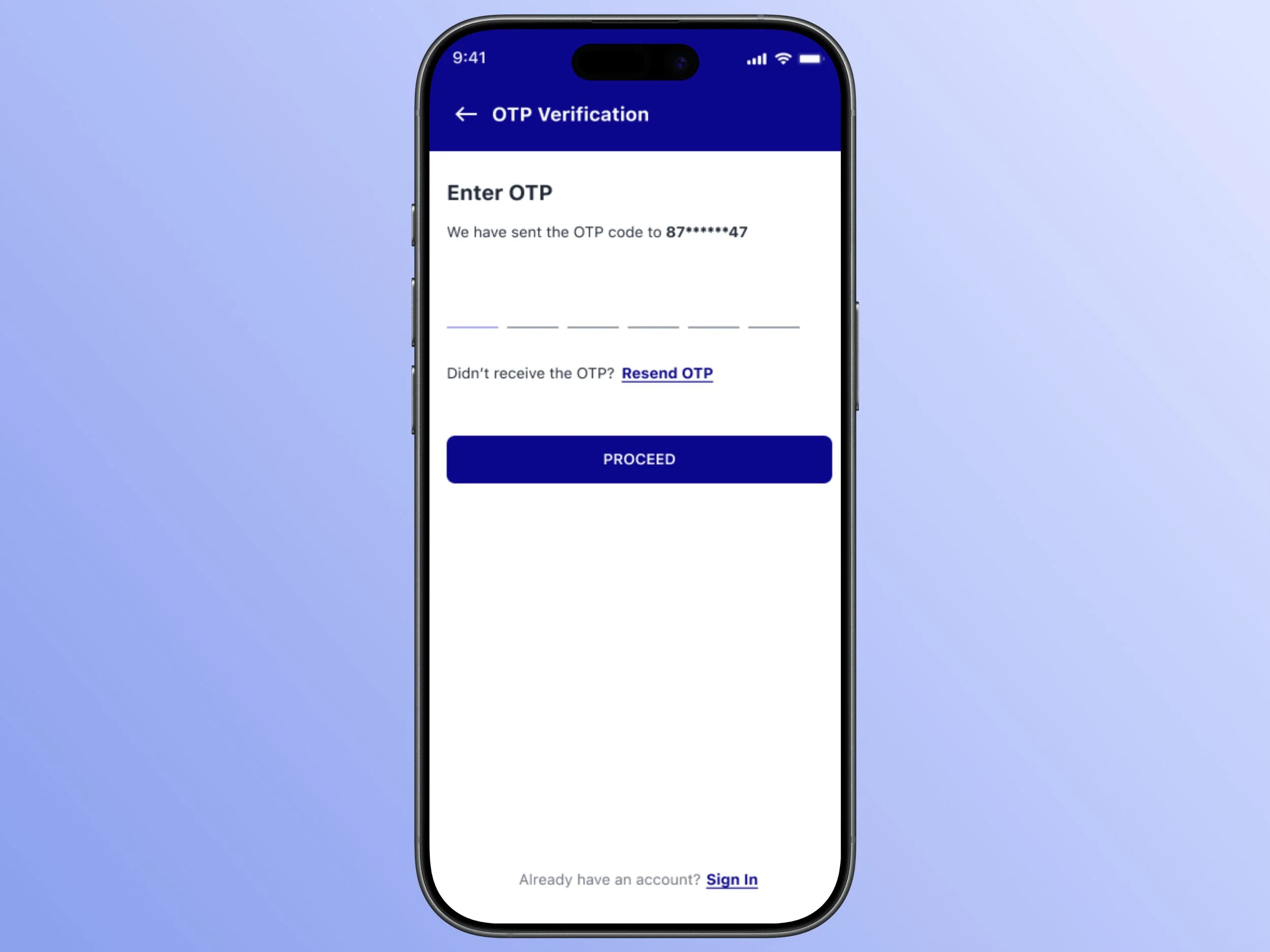
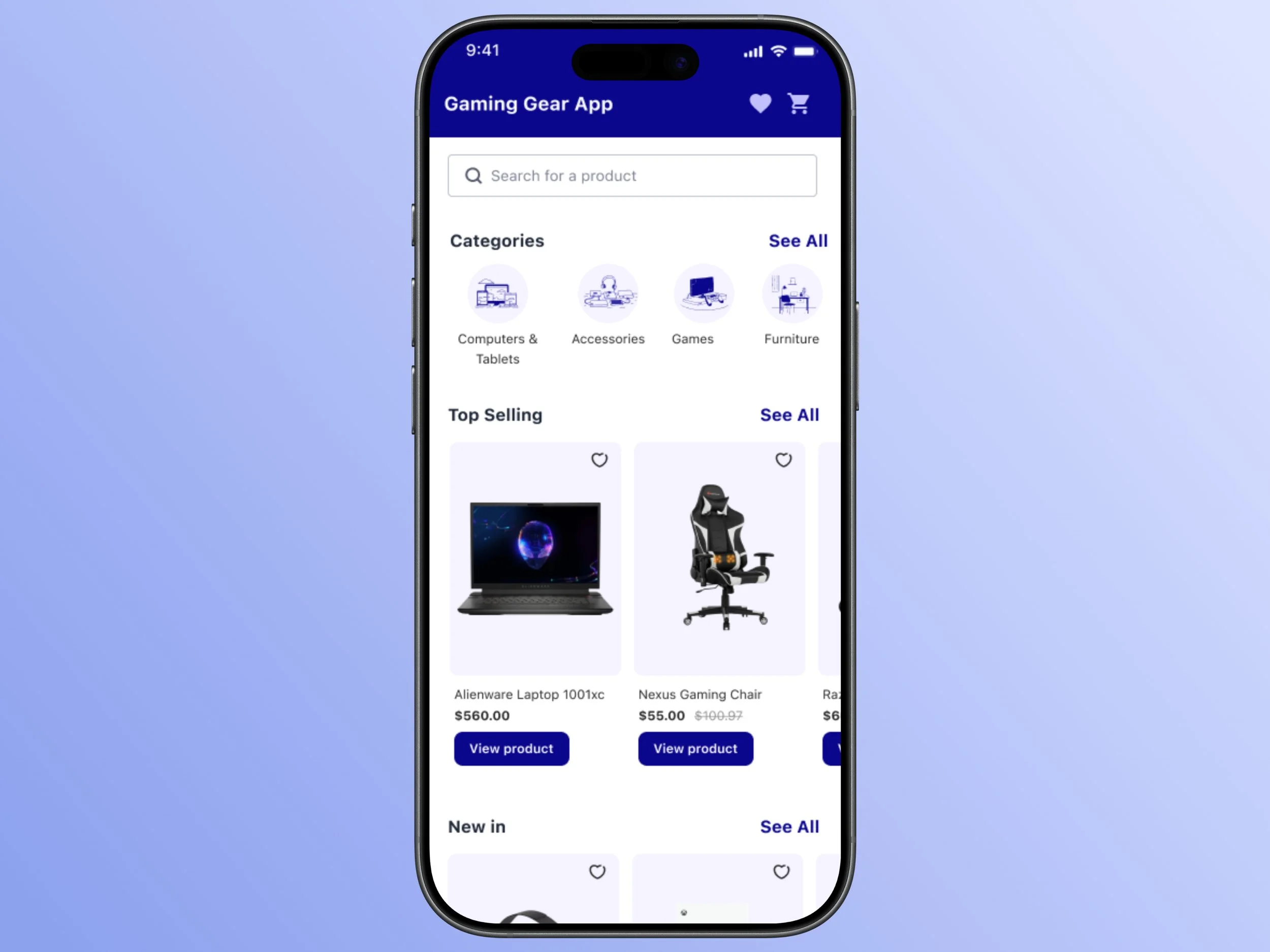
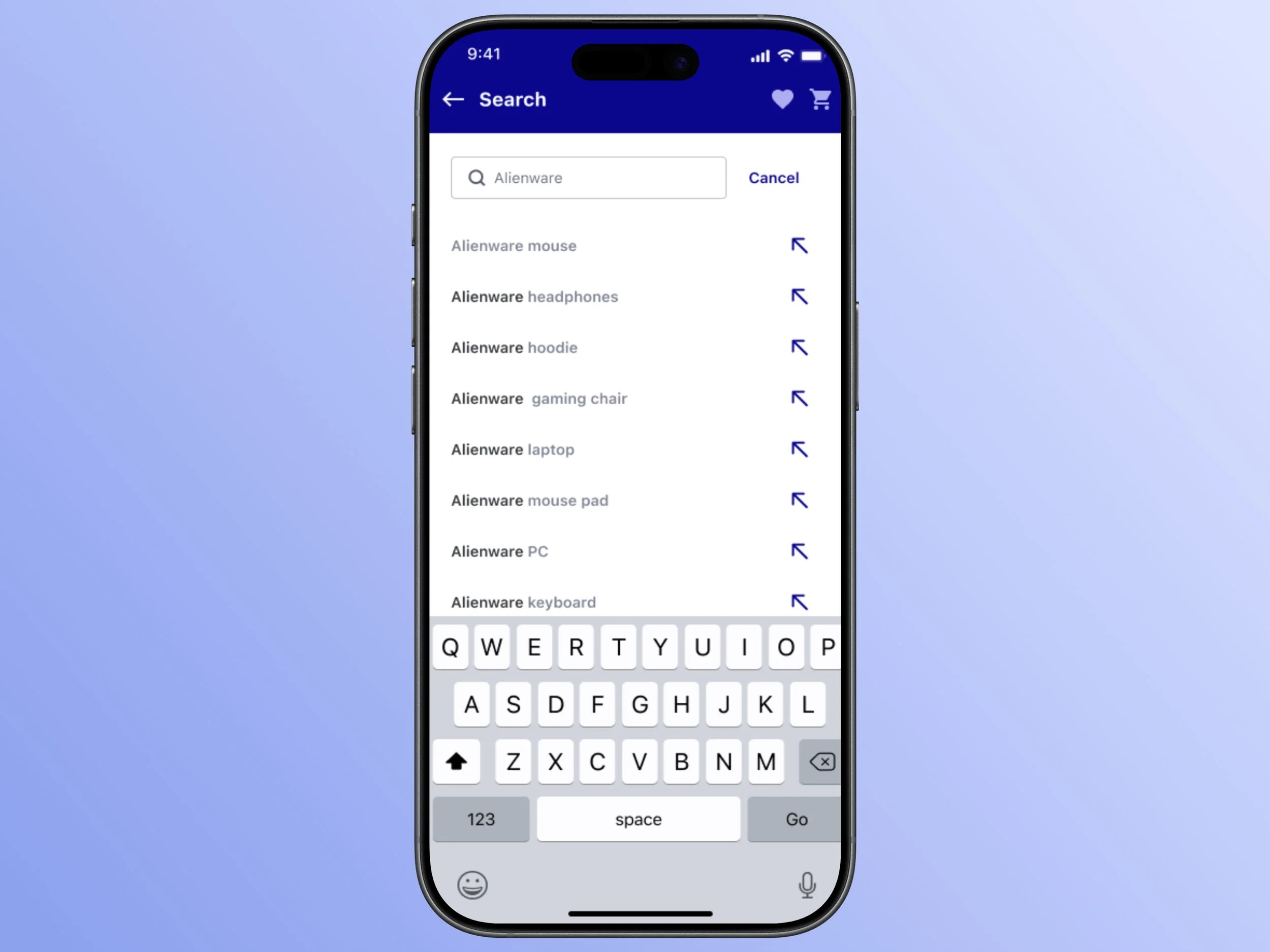
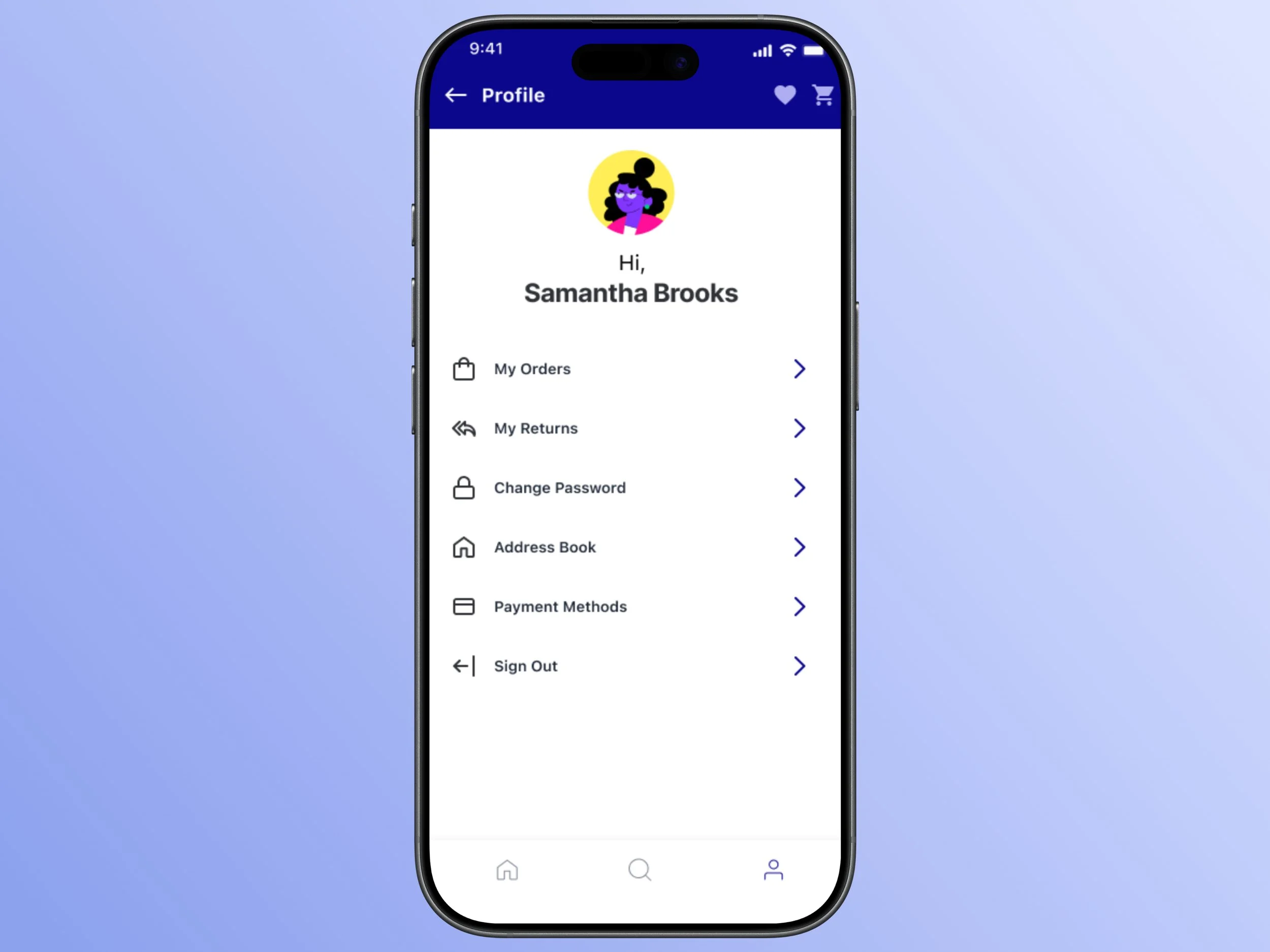
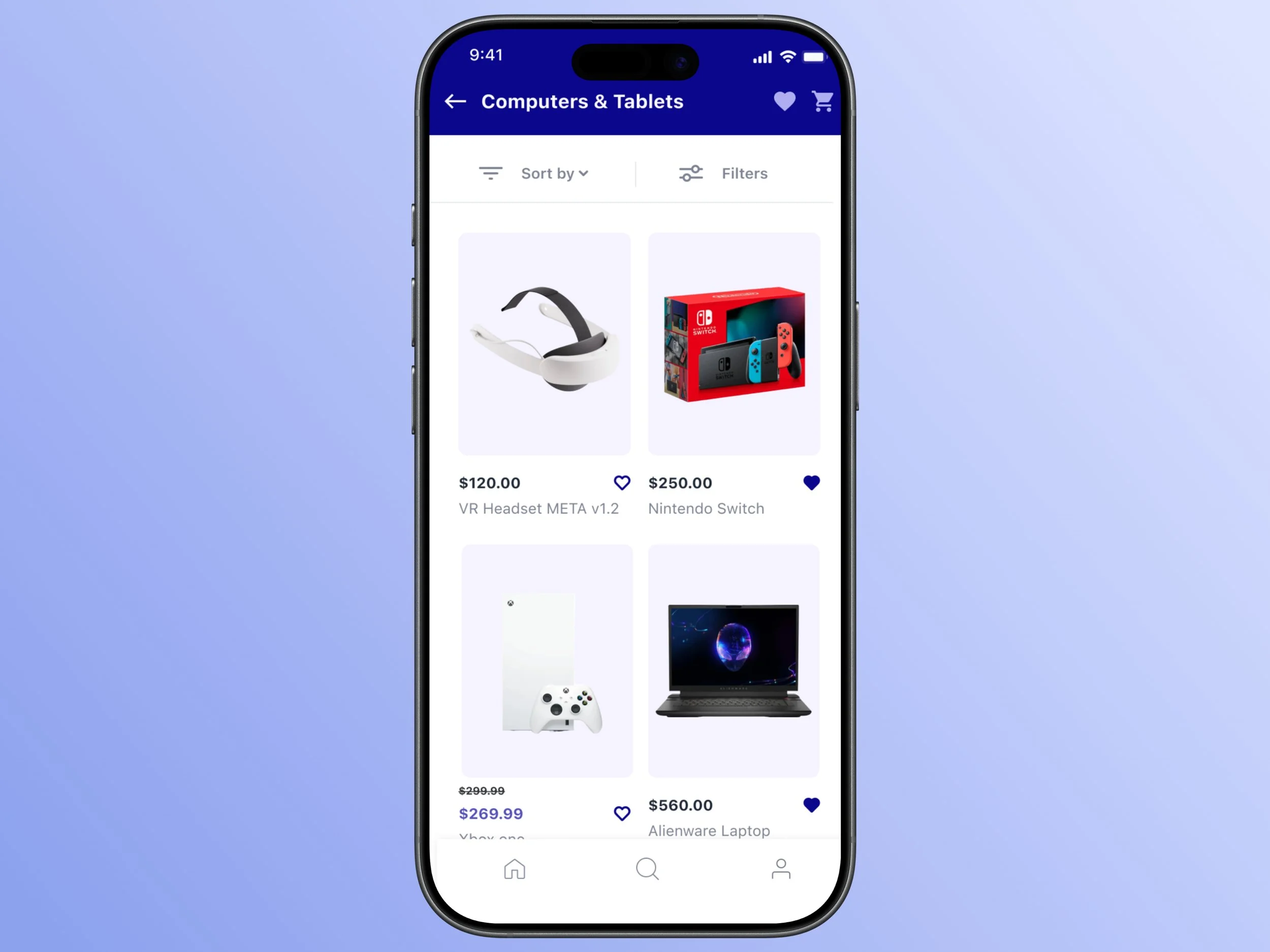
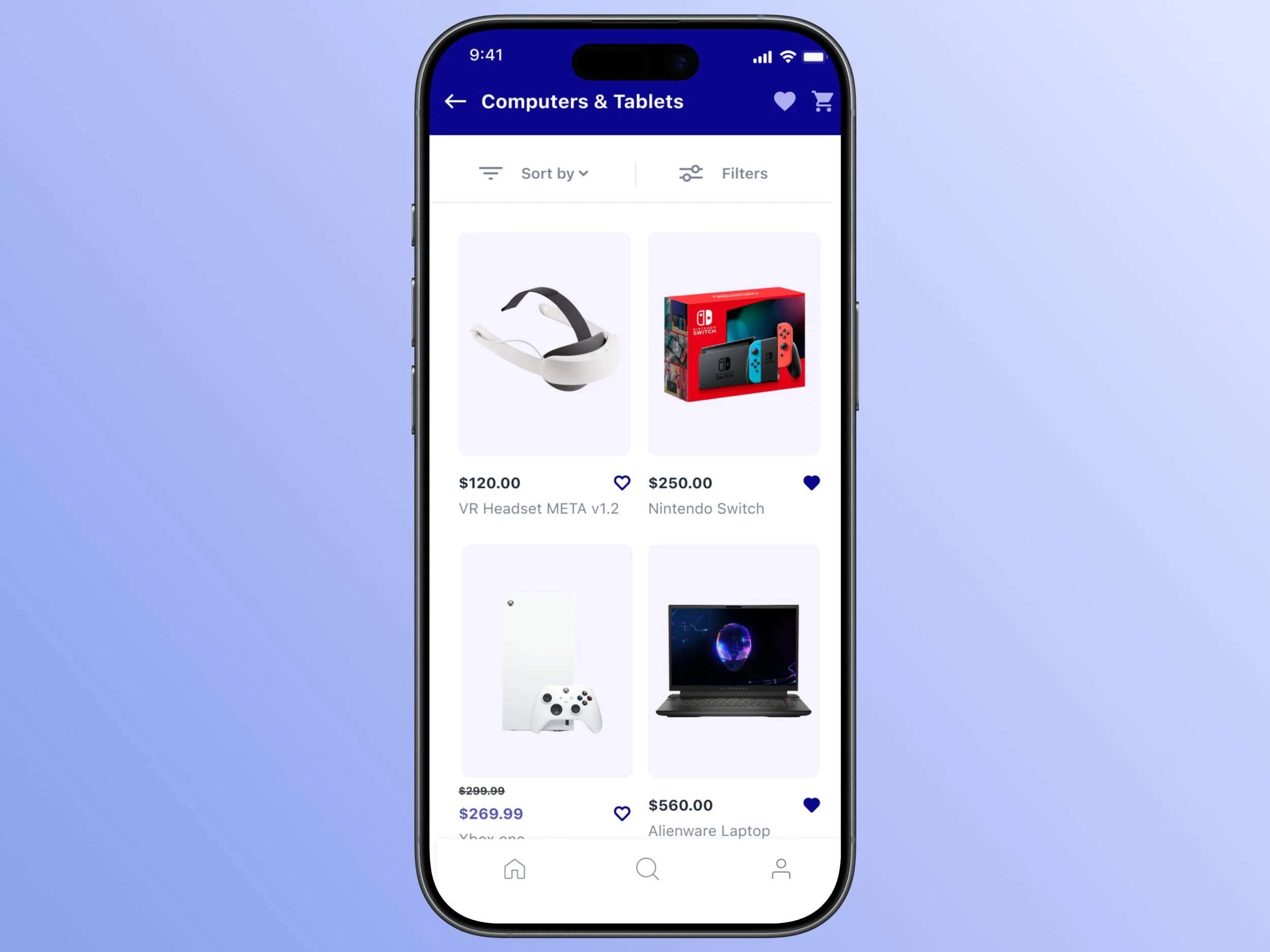
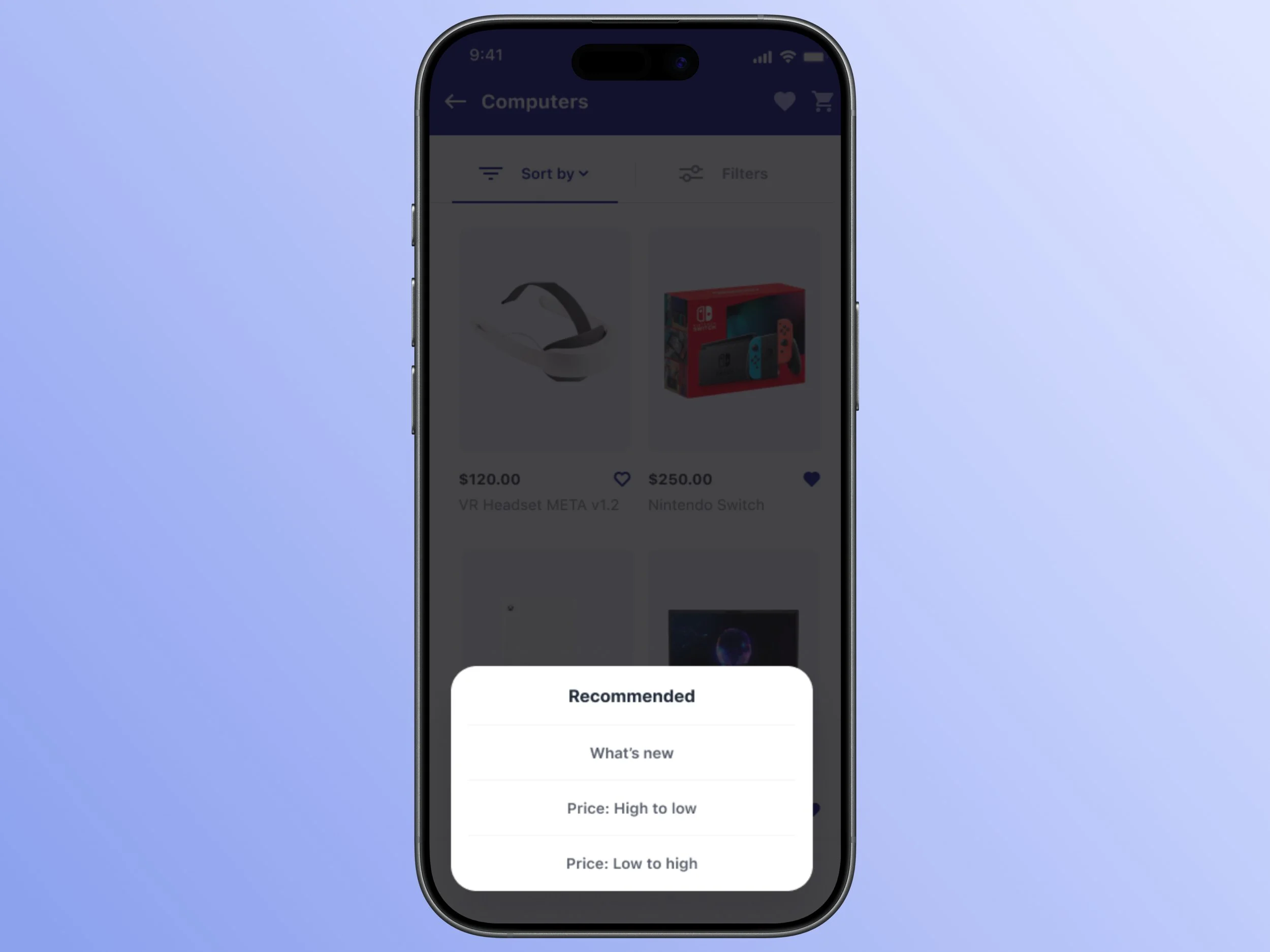
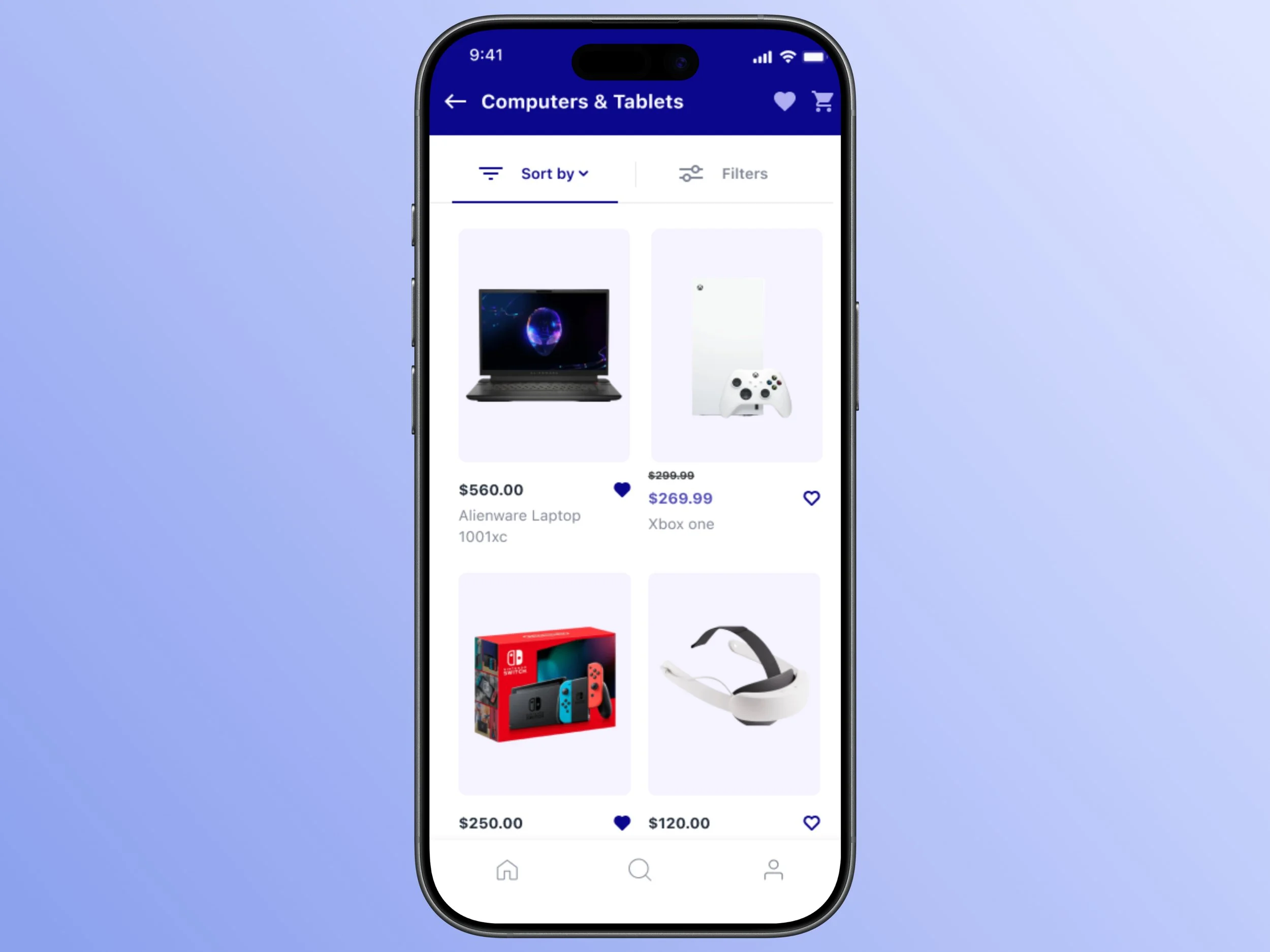
I then quickly progressed to high-fidelity visual design, iterating on key screens to establish the final, polished UI. The result is the interactive prototype you can explore below.
Prototype
*
Prototype *
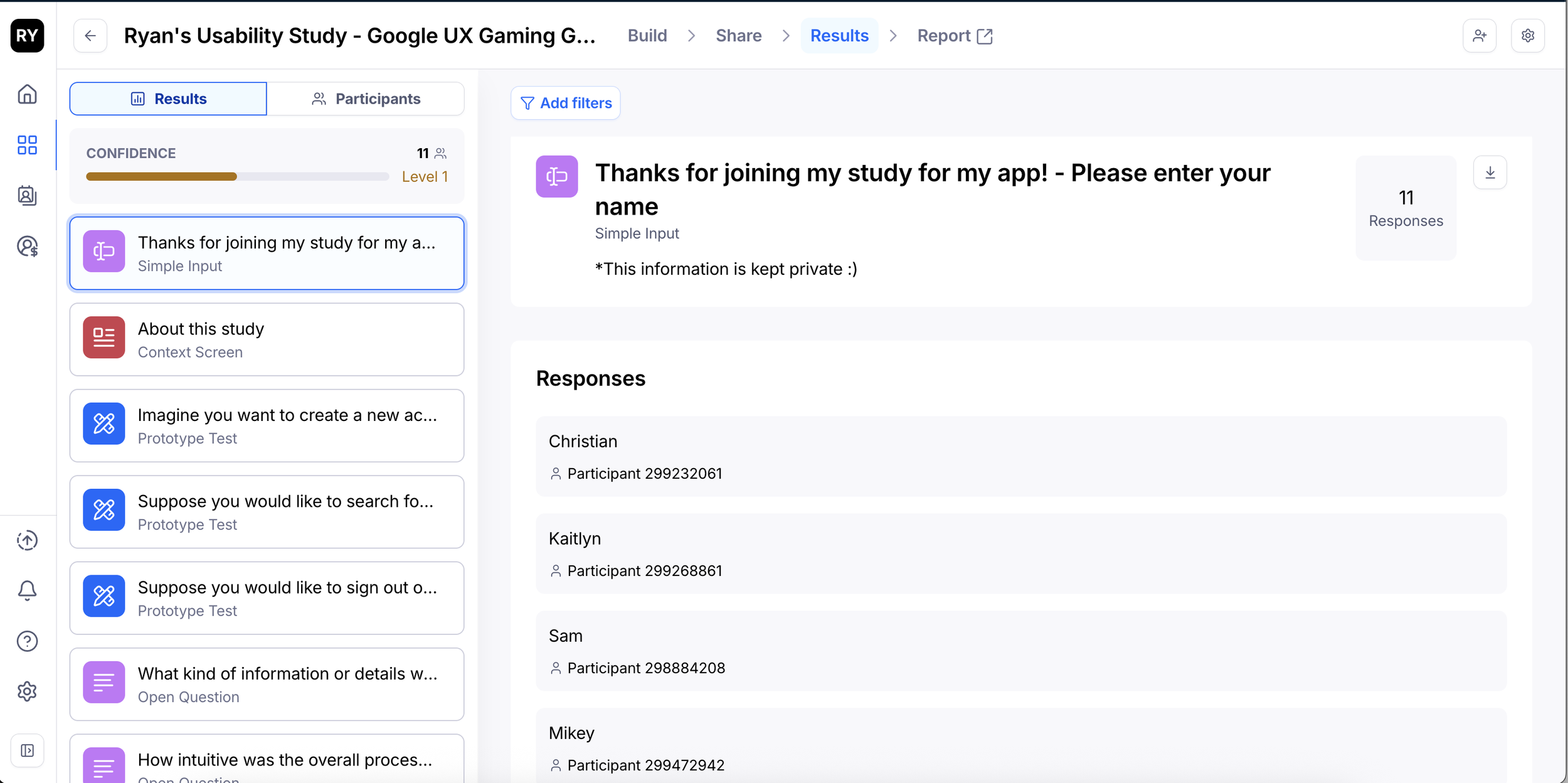
To ensure the designs truly resonated, I set up a formal usability study with eleven dedicated participants.
Their hands-on engagement with the prototype was invaluable, providing empirical evidence that allowed us to move beyond assumptions and define the final, best-possible solution based on real user behavior.
Testing & Feedback
Reflecting on Gaming Gear
Executing this full design sprint was incredibly rewarding, with initial usability studies successfully validating that a user-centric approach dramatically improves the gear-finding experience.
Learning how to create my first was an exciting experience and Google UX’s Design course really taught me the ins and outs of UI/UX Design and creating user experiences that excel with proper color usage, structure, and without implicit bias.
Looking ahead, I plan to integrate AI-driven features for smarter recommendations and build a robust review system based on continuous gamer feedback to ensure the platform evolves authentically.